
Introduction
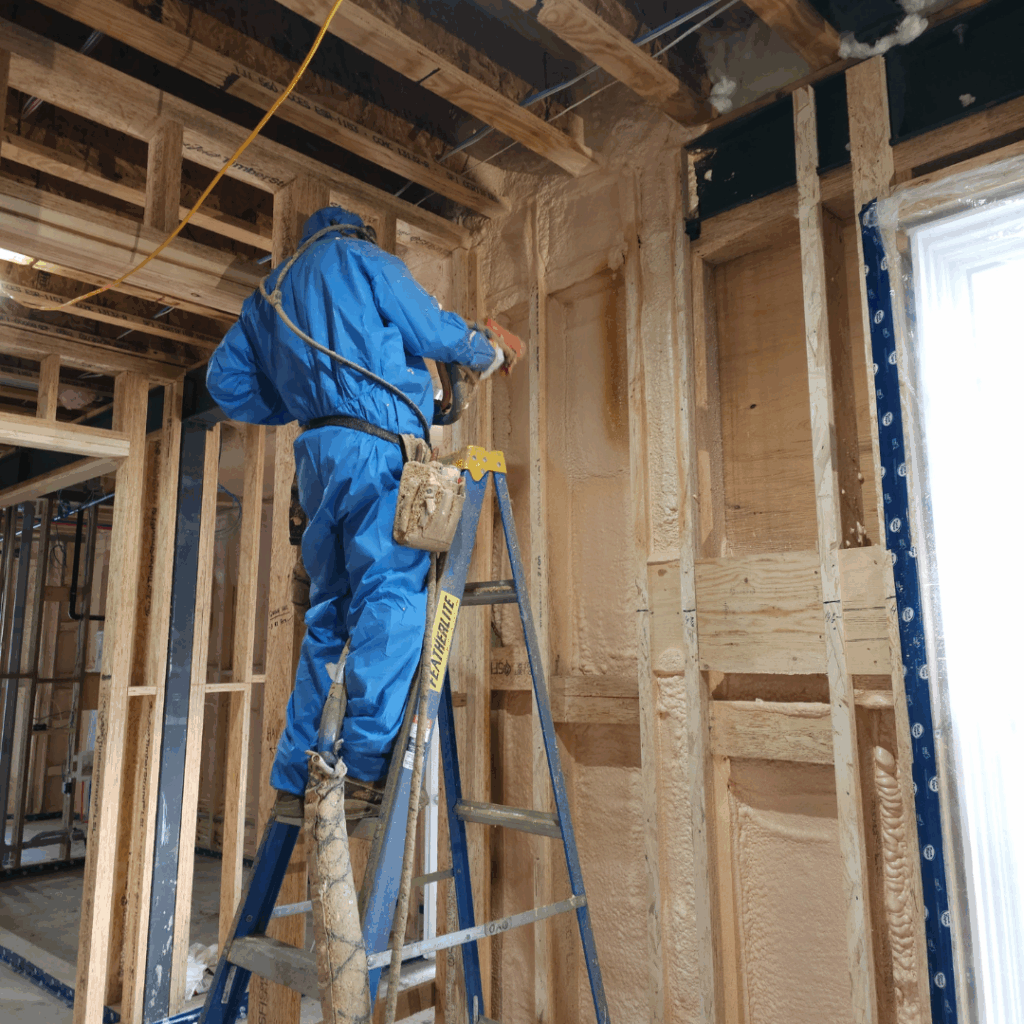
Drafts, cold spots, and rising energy bills often point to one issue: unwanted air leaks. Homes in Bowmanville face seasonal temperature swings, which makes airtight living spaces even more important. Home air sealing Bowmanville services help reduce energy loss by sealing small gaps, cracks, and openings that allow air to move in and out of the home. A well-sealed home stays warmer in winter, cooler in summer, and more comfortable year-round.
This guide walks through each room in the home and shows where air leaks hide, how to check for them, and how proper sealing improves comfort. It also highlights problem areas like windows, doors, and attic hatches, since these are common sources of energy loss in Bowmanville homes.
Why Home Air Sealing Matters
Air sealing reduces drafts and energy waste. Even tiny gaps can pull warm air out of the home and bring cold air in. Over time, this creates uneven temperatures, loud creeping sounds during windy days, and stress on heating and cooling systems.
Strong winds from Lake Ontario make Bowmanville homes more prone to air leakage. Sealing these areas helps:
- Reduce heating and cooling costs
- Improve air quality
- Reduce strain on HVAC systems
- Create consistent room temperatures
- Prevent moisture from entering walls and ceilings
- Improve indoor comfort throughout the year
With a basic understanding of where leaks start, it becomes easier to check the home room-by-room.
Room-by-Room Air Sealing Guide
Below is a detailed walk-through of the key areas in your home, along with common leak points and practical ways to seal them.
Living Room and Family Room
These areas often have large windows, entertainment system wiring, and vents that allow small gaps to form over time.
Inspecting Windows in Main Living Spaces
Windows can pull cold air in through small cracks around frames. In older Bowmanville homes, shifting frames create small openings between the trim and drywall.
Check for:
- Loose or cracked caulking
- Drafts felt when holding a hand close to the frame
- Gaps between trim and wall
- Air movement near window sills
- Rattling during windy days
Simple fixes include fresh caulking, foam weatherstripping, and sealing window trim edges.
Electrical Outlets and Cable Openings
- These small openings connect directly to wall cavities. Air moves through them even if they look sealed.
- Use foam gaskets behind outlet covers to prevent airflow.
Baseboard Gaps
- Baseboards pull away from walls due to seasonal expansion. Small cracks along the top edge allow airflow.
- A thin bead of sealant helps block these gaps and reduce drafts.
Kitchen Air Sealing
- Kitchens have plumbing, vents, and large appliances that create many leak points.
Plumbing Under the Sink
- Pipes pass through cabinets and walls, leaving small openings. These gaps allow air to move inside the home.
- Fill these openings with foam sealant or caulk.
Exhaust Fan Area
- The exhaust fan must push air outside. Cracks around the fan housing or duct can create leaks.
- Seal gaps around the duct connection and around the fan casing.
Window Drafts
- Kitchens often have windows that open frequently. Regular opening and closing can break old caulking around the frame.
- Check for loose trim or peeling caulk and seal as needed.
Bathroom Air Sealing
- Bathrooms attract moisture. If air leaks allow cold air inside, condensation becomes more likely.
Exhaust Fan Leaks
- Gaps around the exhaust fan trim allow air to slip through the ceiling.
- Foam or caulk helps keep this area airtight.
Gaps Near Plumbing
- Check around pipes beneath the sink and behind the toilet. These gaps open into wall cavities.
- Use sealant to close openings and reduce the risk of cold drafts.
Bedroom Air Sealing
- Bedrooms should feel comfortable through the night, but air leaks can cause cold spots near floors or window edges.
Window Frames
- Bedroom windows commonly develop leaks along the bottom sill and corners.
- Caulking and weatherstripping help block outside air.
Closet Walls
- Closets placed on exterior walls can trap drafts if insulation or sealing is weak.
- Check corners and seams for gaps and seal them as needed.
Basement and Crawlspace Air Sealing
- Basements hold many of the largest air leaks. Cold air enters easily here due to the number of openings.
Rim Joist and Sill Plate Gaps
- The rim joist area is where the foundation meets the framing. This area is known for large gaps.
- Foam insulation helps seal these spaces.
Utility Openings
Look around:
- Furnace pipes
- Dryer vents
- Water heater vents
- Electrical panels
Small cracks around these areas cause major energy loss.
Basement Windows
- Older basement windows often sit loosely in their frames.
- Caulking helps seal gaps around the edges.
Attic Air Sealing
- Attics hold some of the most important leak points in a home. Sealing this space can reduce energy loss more than most other steps.
Attic Hatches
- Many Bowmanville homes have attic hatches that sit loosely against the frame. These allow warm indoor air to reach the attic and escape.
Look for:
- Gaps around the hatch frame
- Air movement when standing under the hatch
- Loose drywall seams
Weatherstripping around the hatch edge and insulated backing help limit leakage.
Recessed Lights
- Recessed lights often connect to attic air. Warm air rises through the openings and leaves the home.
- Use proper light covers or airtight trims for better sealing.
Plumbing and Electrical Holes
- Small holes allow conditioned air to leak into the attic.
- Seal these with foam to block airflow.
Gaps at the Top of Walls
- Between the attic floor and wall tops, small cracks allow air movement. A thin layer of foam blocks these gaps.
Windows and Doors Throughout the Home
- Windows and doors create the largest visible openings in a house. Small leaks make them less energy-efficient.
Door Sealing Tips
Exterior doors often have:
- Worn weatherstripping
- Gaps under the door
- Cracks around the frame
Use door sweeps, new weatherstripping, and caulk to seal problem spots.
Window Maintenance Tips
- Window drafts form near corners, sills, or along loose trim.
- Use caulk, weatherstripping, and foam insulation to seal around frames.
How to Check for Air Leaks
Homeowners can check for leaks with simple tricks:
- Feel for drafts using a hand
- Use a small piece of tissue and watch for movement
- Listen for faint whistling sounds on windy days
- Shine a light around frames at night
A more detailed assessment may use infrared tools, which local air sealing professionals carry.
Benefits of Professional Home Air Sealing in Bowmanville
Local technicians understand common leak points in Bowmanville homes. Many older homes have uneven framing, shifting windows, and attic hatches that lose heat. Professional sealing provides:
- Better indoor comfort
- Stronger energy efficiency
- Lower utility bills
- Improved indoor air quality
- Fewer cold spots
- Less strain on heating and cooling systems
A complete assessment identifies leaks that may be hard to spot during a basic check.
FAQ
How does air sealing help Bowmanville homes?
Air sealing blocks drafts, improves indoor comfort, and reduces heating and cooling costs.
Which areas should be sealed first?
Windows, doors, attic hatches, and basement openings often show the largest leaks.
Do attic hatches leak air?
Yes. Many attic hatches are loose or uninsulated, which creates strong drafts.
How often should air sealing be checked?
A yearly check before winter helps maintain good energy efficiency.
Conclusion
Air sealing is a simple way to improve comfort, lower energy bills, and prevent drafts in Bowmanville homes. A room-by-room approach helps spot the hidden gaps that allow air to slip through. With attention to windows, doors, attic hatches, and lower-level openings, the home stays warm, quiet, and efficient throughout the year.
To schedule a local appointment, reach out to a Bowmanville air sealing specialist and start with a simple home evaluation.
Contact Us
Ready to enhance your home’s comfort and energy efficiency? Get in touch with The Same Guys Insulation today at [647-453-7037] to schedule an assessment and discover how we can transform your home into a more eco-friendly and comfortable space.
- 647-453-7037
- info@thesameguysinsulation.com
- Mon - Fri 9:00 - 18:00
Get A Quote