
When homeowners ask whether professional air sealing is really worth the money, the best answer comes from real data. Across recent projects in Canada, measured results from blower-door tests and post-upgrade energy bills show that air sealing is one of the most cost effective upgrades you can make for comfort, durability, and long-term savings.
This article breaks down how air sealing works, where air leaks actually occur, and what recent projects reveal about payback, energy savings, and improved comfort. It blends real-world numbers with practical building science so homeowners can make informed decisions.
Introduction to Air Sealing
Air sealing is one of the most effective ways to improve energy efficiency in your home. By identifying and sealing air leaks in the building envelope those hidden gaps and cracks where air escapes or enters you can significantly reduce heat loss in winter and heat gain in summer. This not only helps lower your energy costs, but also creates a more comfortable and consistent living space.
When air leaks go unchecked, they allow valuable heated or cooled air to slip out through walls, ceilings, and floors, forcing your heating and cooling systems to work harder. Moisture can also find its way into insulation or wall cavities, leading to potential long-term damage. That’s why air sealing is a crucial first step in any energy efficiency upgrade.
A registered energy advisor can help you pinpoint exactly where air leakage is happening in your home. Using specialized tools and their expertise, they’ll recommend the best strategies to seal up leaks and maximize your home’s performance.
In many ways, tackling air sealing is a bit like the plot of the movie “Payback” starring Mel Gibson. Just as Gibson’s character methodically tracks down every obstacle in his path, successful air sealing requires determination and attention to detail tracking down every hidden leak until your home is as efficient as possible. The payoff? Lower energy bills, improved comfort, and a home that’s ready for whatever life throws at it.
Professional Air Sealing
Professional air sealing goes far beyond DIY caulk around windows. Trained crews use advanced diagnostics, including blower-door testing and infrared scanning, to identify hidden air leakage paths throughout the house. These tools show exactly where air enters and exits the building envelope, something most homeowners cannot detect on their own.
Professionals also work faster and more thoroughly, sealing difficult areas like attics, basements, ceilings, walls, ducting, and plumbing penetrations. DIY air sealing can be time-consuming and messy, especially in hard-to-reach areas like attics, and professionals have the access and tools to reach and seal these challenging spots. Comprehensive air leakage control involves sealing as many air leakage paths as possible, including those around ducts and attic hatches that require special access. Identifying air leakage areas requires careful inspection and sometimes detective work. While homeowners can attempt air sealing themselves, professional services generally deliver more consistent and measurable results.
Air Sealing: What It Actually Fixes
At its core, air sealing reduces the uncontrolled movement of air in and out of your house. Without sealing, air leaks allow heated or cooled air to escape while outdoor air, dust, pollen, and even wildfire smoke get pulled inside.
Common leak locations include:
- Windows and doors
- Cracks in walls and ceilings
- Electrical outlets and baseboards
- Fireplace flues and chimneys
- Plumbing and wiring penetrations
- Basement rim joists and attic top plates
Air sealing minimizes the “stack effect,” where warm air rises and escapes through the attic while cold air is drawn in through the basement and lower floors.
Air Leaks in Older Houses
Older houses tend to have more air leaks due to aging materials, settling, and outdated construction practices. Gaps around framing, sheet metal ducting, fireplaces, and floor assemblies are common. Over time, these leaks waste energy, strain furnaces, and reduce indoor comfort.
In many projects, homeowners are surprised to learn that air leakage, not insulation alone, is the biggest “bad guy” behind high heating costs.
Air Leakage and Energy Loss
Uncontrolled air leakage can account for up to 30% of total energy loss in a home. That lost energy translates directly into higher utility bills and unnecessary wear on heating systems.
Studies and field data consistently show that sealing air leaks can reduce heating and cooling costs by an average of 15%, sometimes more when combined with insulation upgrades.
Fresh Air, Ventilation, and Safety
A well-sealed home still needs fresh air. Professional air sealing is always balanced with proper ventilation to maintain safe indoor air quality. Controlled ventilation ensures healthy airflow without sacrificing efficiency.
This balance is critical for safety, especially around fireplaces, furnaces, and flues, where improper sealing could affect combustion air or exhaust pathways.
Materials Used to Seal Air Leaks
Professional crews use a range of materials depending on location and risk level:
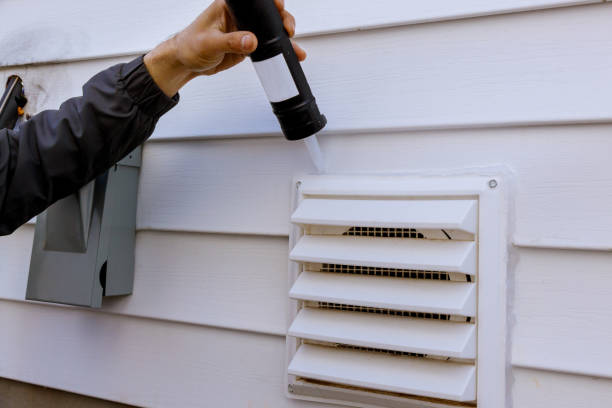
- High-quality caulk and weatherstripping: Apply a straight line of caulk along joints or gaps for a clean, effective seal.
- Expanding spray foam for gaps and cracks: Ensure all gaps are completely filled for proper insulation and air-tightness.
- Fire-resistant sealants around flues and chimneys: Repeated heating and cooling can cause metal flues or other components to warp or break, so proper sealing is important. Always use a fireplace screen for safety.
- Gaskets for outlets and switches
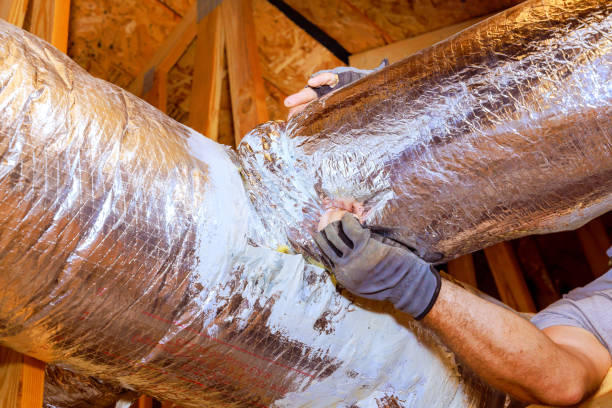
- Specialized sealing systems like AeroSeal for ducting
Choose the right sealant for the job to ensure durability and effectiveness. Proper installation of air and vapour barriers, sealing materials, and electrical outlets is essential for effective air leakage control and insulation performance. Attic hatches should be insulated to prevent heat loss and improve thermal efficiency. Consider replacement of damaged or outdated insulation or air barriers as part of comprehensive upgrades. Installing blocking or nailing strips can support new ceiling or wall materials. For difficult areas, contact professionals for proper installation or sealing. Finally, ensure all gaps are sealed and materials are secure for maximum energy efficiency and comfort.
Data From Recent Projects: Air Sealing ROI
Below is a summary of real results from recent air sealing projects, combining blower-door data, energy bills, and homeowner feedback.
Project Type | Pre-Seal Air Leakage | Post-Seal Reduction | Avg. Energy Savings | Estimated Payback |
1950s Detached House | High | 28% reduction | 18% annual savings | 3–5 years |
Two-Storey Family Home | Moderate | 22% reduction | 15% annual savings | 4 years |
Bungalow w/ Basement | High | 30% reduction | 20% annual savings | 3 years |
Townhouse | Moderate | 17% reduction | 12% annual savings | 4–6 years |
In addition to lower energy costs, homeowners reported improved comfort, fewer drafts, and quieter interiors.
Comfort and Indoor Environment
Air sealing improves comfort by stabilizing indoor temperatures and eliminating cold drafts. Rooms feel warmer in winter, cooler in summer, and more consistent from floor to ceiling.
It also helps create a healthier indoor environment by controlling humidity, reducing dust, and limiting pollutants that enter through cracks and leaks.
Durability and Long-Term Benefits
Proper air sealing protects the structure of a house by reducing moisture movement through walls and ceilings. This lowers the risk of condensation, mold growth, and long-term material damage.
By reducing runtime and stress, air sealing can also extend the life of HVAC equipment by up to 15 years.
Why Air Sealing Comes First
Building science generally agrees that air sealing should be considered first in any home upgrade strategy. Adding insulation without addressing air leakage limits the effectiveness of insulation and reduces overall return on investment.
When air sealing is done first, insulation performs better, energy savings increase, and the whole system works as intended.
Frequently Asked Questions (FAQs)
- What is professional air sealing?
Professional air sealing uses specialized tools and materials to locate and seal air leaks throughout a home, improving efficiency and comfort. - How is air leakage identified?
Professionals use blower-door tests, infrared cameras, and careful inspection to find hidden leaks. - Is DIY air sealing effective?
DIY air sealing can help, but it is often time-consuming and less effective in hard-to-reach areas compared to professional work. - How much does professional air sealing cost?
Costs vary, but duct and whole-home air sealing projects commonly range from $1,500 to $2,000. - How much energy can air sealing save?
Many homes save 15% or more on heating and cooling after sealing major air leaks. - Does air sealing affect indoor air quality?
Yes. When balanced with proper ventilation, air sealing improves air quality by reducing dust, allergens, and humidity issues. - What areas leak the most air?
Common problem areas include attics, basements, fireplaces, windows, doors, outlets, and plumbing penetrations. - Can air sealing improve home comfort?
Yes. Sealing drafts leads to more consistent temperatures and fewer cold spots. - How long does air sealing last?
When done properly with quality materials, air sealing can last for decades with minimal maintenance. - Should air sealing be done before insulation?
Generally, yes. Sealing first allows insulation to perform at its full potential.
Ready to Measure Your Savings with Professional Air Sealing?
Discover the true benefits of professional air sealing by scheduling a blower-door test today. This precise testing method reveals exactly where your home is losing energy through air leaks, helping you pinpoint the most effective improvements for maximum savings and comfort.
For reliable and expert professional air sealing services, trust The Same Guys Insulation. Their skilled team uses advanced diagnostics and premium materials to seal every hidden leak in your home’s building envelope. With their help, you can enhance your home’s energy efficiency, reduce heating and cooling costs, and enjoy a more comfortable living environment.
Contact Us
Ready to enhance your home’s comfort and energy efficiency? Get in touch with The Same Guys Insulation today at [647-453-7037] to schedule an assessment and discover how we can transform your home into a more eco-friendly and comfortable space.
- 647-453-7037
- info@thesameguysinsulation.com
- Mon - Fri 9:00 - 18:00
Get A Quote