
Attic insulation removal is often the first and most important step when pest damage and strong odors take over an attic. Rodents commonly nest inside insulation, leaving behind droppings, urine, and bacteria that create unhealthy conditions and persistent smells. Over time, contaminated insulation stops working properly and can affect indoor air quality throughout the home.
This guide explains the problems caused by pests in attic insulation and how attic insulation removal, followed by proper sanitization, solves odor issues and restores a clean, safe attic space.
The Problem: Pest Damage Hidden in Attic Insulation
Many homeowners do not realize how quickly rodents can damage attic insulation. Once pests enter the attic, insulation becomes nesting material, food storage, and a long-term shelter.
Common attic problems caused by rodents include:
- Insulation is packed down or torn apart
- Rodent droppings are scattered across attic surfaces
- Strong odors from urine and waste
- Bacteria and airborne contaminants
- Reduced insulation performance
Rodents reproduce quickly. A small issue can turn into widespread contamination before it is noticed. Attic insulation removal becomes necessary once droppings and odors spread through large sections of insulation.
Why Attic Insulation Removal Is Necessary After Rodent Activity
Surface cleaning alone does not solve pest-related attic issues. Insulation absorbs odors and contaminants, making attic insulation removal the only effective solution.
Attic insulation removal addresses:
- Deep contamination from rodent droppings
- Odors trapped inside insulation fibers
- Health risks caused by bacteria and allergens
- Loss of insulation efficiency
Leaving damaged insulation in place allows odors to linger and contaminants to circulate. Removing affected material fully resets the attic environment.
Rodents and Health Risks Inside the Attic
Rodents introduce more than visible damage. Droppings and urine carry bacteria that can affect respiratory health. As air moves through the attic, contaminated particles may enter living spaces.
Health concerns linked to rodent activity include:
- Allergic reactions
- Respiratory irritation
- Unpleasant and persistent smells
- Reduced indoor air quality
Attic insulation removal removes the source of these issues rather than masking symptoms.
The Solution: Professional Attic Insulation Removal
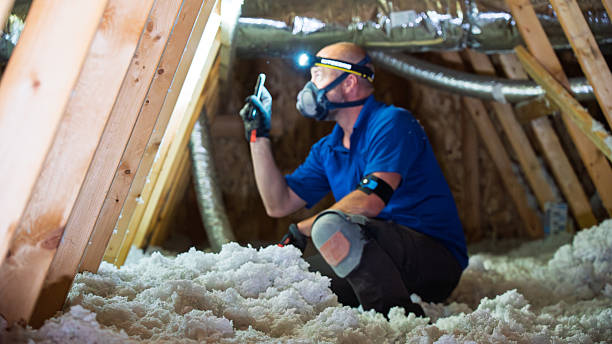
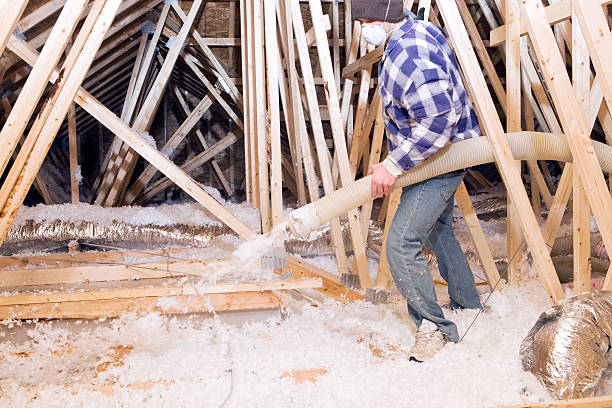
Attic insulation removal involves carefully extracting contaminated insulation without spreading debris or dust into the home. Proper equipment and containment methods protect both the structure and indoor air.
A professional attic insulation removal process includes:
- Inspection of attic conditions
- Safe removal of damaged insulation
- Collection of droppings and debris
- Sealing and disposal of contaminated material
Once removal is complete, the attic is ready for the next critical step: sanitization.
Sanitization After Attic Insulation Removal
Sanitization is essential after attic insulation removal. Even after insulation is removed, bacteria and odor-causing particles can remain on wood framing and attic surfaces.
Sanitization helps:
- Neutralize lingering odors
- Kill bacteria and pathogens
- Improve air quality
- Prepare the attic for new insulation
A sanitization add-on ensures the attic is fully cleaned rather than partially treated. This step is especially important in homes with heavy rodent activity.
Before and After: What Changes With Attic Insulation Removal
Before Attic Insulation Removal
- Matted, contaminated insulation
- Strong odors are spreading into the home
- Visible rodent droppings
- Reduced insulation performance
- Ongoing health concerns
After Attic Insulation Removal and Sanitization
- Clean attic surfaces
- Odor-free environment
- Safer indoor air quality
- Ready space for new insulation
- Restored energy efficiency
Attic insulation removal transforms the attic from a contaminated area into a clean foundation for better home comfort.
Odor Problems Linked to Contaminated Insulation
Odors caused by rodent urine are difficult to eliminate without removing insulation. Deodorizers and air fresheners only mask the smell temporarily.
Attic insulation removal solves odor issues by:
- Eliminating odor-absorbing materials
- Allowing full sanitization of surfaces
- Preventing odors from reappearing
Persistent attic odors almost always indicate contamination below the surface.
When Attic Insulation Removal Should Be Scheduled
Signs that attic insulation removal is needed include:
- Strong smells coming from the ceilings or vents
- Evidence of rodents or droppings
- Uneven indoor temperatures
- Rising energy bills
- Allergy symptoms without clear cause
Early attic insulation removal prevents further damage and limits long-term repair costs.
Why Replacing Insulation Matters After Removal
After attic insulation removal and sanitization, installing new insulation restores energy efficiency. Clean insulation improves temperature control and helps reduce heating and cooling costs.
New insulation:
- Improves comfort year-round
- Reduces energy loss
- Supports cleaner indoor air
Removal without replacement leaves the attic incomplete. A full solution includes both steps.
Attic Insulation Removal and Long-Term Prevention
Removing contaminated insulation also makes pest prevention easier. Clear attic spaces allow sealing of entry points and better inspection of vulnerable areas.
Benefits include:
- Reduced the chance of future infestations
- Easier monitoring
- Longer insulation lifespan
Attic insulation removal creates a clean slate for proper attic care.
Why Professional Removal Matters
Handling contaminated insulation without proper equipment can spread dust and bacteria. Professional attic insulation removal uses controlled methods to protect the home and occupants.
Professional services provide:
- Safe removal practices
- Proper disposal
- Thorough sanitization
- Reliable results
This approach prevents recontamination and incomplete cleanup.
Attic Insulation Removal With Sanitization Add-On
Sanitization works best as an add-on to attic insulation removal. This combination ensures that odors, bacteria, and residue are fully addressed.
The sanitization add-on:
- Enhances cleanliness
- Extends the benefits of removal
- Improves long-term air quality
Homes with rodent issues benefit most from this complete service.
Conclusion: A Cleaner, Healthier Attic Starts With Removal
Attic insulation removal is the most effective way to fix pest damage, eliminate odors, and restore attic health. Rodents, droppings, and contaminated insulation create ongoing problems that surface cleaning cannot solve.
For lasting results, attic insulation removal followed by sanitization provides a clean foundation for new insulation and better home comfort.
Frequently Asked Questions
1. What Is Attic Insulation Removal?
Attic insulation removal is the process of safely extracting old or contaminated insulation from an attic. This is often needed when insulation has been damaged by rodents, moisture, or long-term wear.
- Why Is Attic Insulation Removal Needed After Rodent Activity?
Rodents leave behind droppings, urine, and bacteria that soak into insulation. Attic insulation removal eliminates contaminated material that causes odors and health concerns.
- Can Odors Be Removed Without Removing the Insulation?
No. Odors from rodent urine become trapped inside insulation fibers. Attic insulation removal is the only effective way to permanently eliminate these smells.
- Are Rodent Droppings in the Attic Dangerous?
Yes. Rodent droppings can carry bacteria and allergens that affect indoor air quality. Removing contaminated insulation reduces health risks inside the home.
- What Is Sanitization After Attic Insulation Removal?
Sanitization is a cleaning process that treats attic surfaces after insulation removal. It helps neutralize odors, kill bacteria, and prepare the attic for new insulation.
- Is Sanitization Necessary After Insulation Removal?
Yes. Even after insulation is removed, contaminants can remain on wood and attic surfaces. Sanitization ensures a cleaner and healthier attic environment.
- How Do I Know If My Attic Needs Insulation Removal?
Signs include strong odors, visible droppings, pest activity, uneven indoor temperatures, and allergy symptoms without a clear cause.
- Will New Insulation Be Installed After Removal?
Yes. After attic insulation removal and sanitization, new insulation can be installed to restore comfort, energy efficiency, and proper temperature control.
- How Long Does Attic Insulation Removal Take?
The time depends on attic size and contamination level. Most projects are completed within one day, including removal and sanitization.
- Why Should Professionals Handle Attic Insulation Removal?
Professional removal uses proper equipment and containment methods. This prevents contaminated dust from spreading and ensures safe disposal and thorough cleaning.
Call to Action
If pest damage or odors are affecting your attic, now is the time to act. Contact The Same Guys Insulation to schedule attic insulation removal and ask about the sanitization add-on for complete odor and contamination control. A clean attic supports a healthier home and long-term comfort.
Contact Us
Ready to enhance your home’s comfort and energy efficiency? Get in touch with The Same Guys Insulation today at [647-453-7037] to schedule an assessment and discover how we can transform your home into a more eco-friendly and comfortable space.
- 647-453-7037
- info@thesameguysinsulation.com
- Mon - Fri 9:00 - 18:00
Get A Quote