
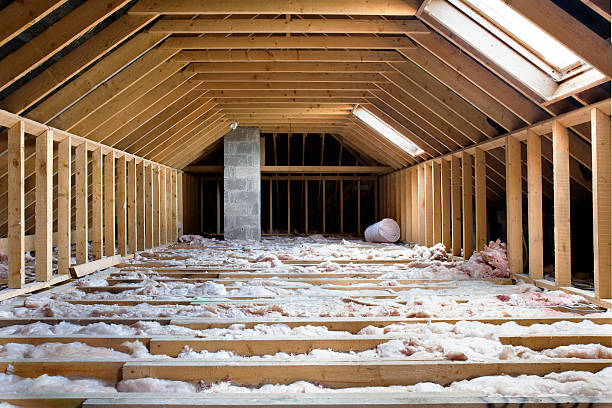
When you live in Toronto, keeping your home warm in winter and cool in summer isn’t just about comfort, it’s about saving money too. One of the smartest ways to do that is through attic insulation.
If you’ve been searching for attic insulation in Toronto, this guide will walk you through everything: what it costs, how long it takes, and what kind of permits you might need. We’ll also talk about how insulation works in different neighbourhoods and house types, especially semi-detached homes, which are so common in the city.
Why your attic matters more than any other space
Toronto’s weather can be unpredictable. Freezing winters, humid summers, and everything in between. Without proper insulation, your attic becomes a space where heated or cooled air escapes, and your energy bills go up.
Good attic insulation does two main things:
Keeps warm air inside during winter.
Keeps hot air out during summer.
That means your furnace and AC don’t need to work as hard. You get lower bills, fewer drafts, and a more comfortable home year-round.
How Much Does Attic Insulation Cost in Toronto?
Let’s get to the question most homeowners ask first: “How much will this cost?”
The cost of attic insulation in Toronto can vary, but here’s a realistic breakdown based on what most homeowners see today:
Type of Insulation | Typical Cost per Square Foot | Estimated Total for Average Toronto Attic (800–1,000 sq ft) |
Blown-in Fibreglass | $1.50 – $2.50 | $1,200 – $2,500 |
Cellulose | $1.75 – $3.00 | $1,400 – $3,000 |
These are general ranges. Prices depend on:
The size and condition of your attic
Existing insulation (if any)
Accessibility (some attics are harder to reach)
The R-value you need to meet building code
If your insulation is old or uneven, contractors often recommend removing the old material first. That can add to the cost, but it’s worth it if you’re dealing with moisture or pests.
Understanding the R-Value and Code Requirements
When people talk about insulation, they often mention something called an R-value. This number measures how well the insulation resists heat flow. The higher the R-value, the better it keeps heat in or out.
In Toronto, the Ontario Building Code (OBC) recommends a minimum attic insulation level of R-60 for new homes. If your home was built before the 2000s, chances are your attic has much less than that, maybe R-20 or R-30.
That means your home is losing heat faster than it should, and you’re paying for it every month.
When you hire a professional attic insulation service in Toronto, they’ll check what you currently have and top it up to meet or exceed the code.
Tip: Going beyond R-60 often pays off. The extra insulation helps keep your home more consistent in temperature and increases resale value.
Attic Insulation Timelines: How Long Does It Take?
The good news? Attic insulation is one of the fastest home improvement projects you can do.
Most Toronto homeowners can expect:
1 day for inspection and preparation
1 day for installation
A few hours for cleanup
So in total, you’re usually looking at one to two days from start to finish.
Here’s what the process looks like step-by-step:
Assessment – The crew checks your attic’s condition, ventilation, and current insulation levels.
Preparation – They seal small gaps or air leaks before adding new insulation.
Installation – Blown-in or spray foam insulation is added evenly across the attic floor.
Final check – The technician makes sure the insulation meets the required code and coverage.
If your attic has mold, leaks, or rodent damage, that can stretch the timeline a bit, but in most homes, it’s a quick and clean process.
Do You Need a Permit for Attic Insulation in Toronto?
This is a common question, and the answer depends on the scope of work.
If you’re adding insulation only, no structural changes, no electrical rewiring, you typically don’t need a building permit.
If you’re removing and replacing drywall, rewiring, or changing ventilation systems, you might need to apply for a small building permit.
The City of Toronto’s building department is quite clear: insulation upgrades that don’t affect structure or safety can usually proceed without permits.
Still, it’s smart to hire licensed professionals who understand the Toronto building code and can advise you if anything special is required. They’ll make sure your project meets all energy-efficiency standards and passes inspections if needed.
You can also read more about how upgrading attic insulation cuts heating costs here: How Upgrading Attic Insulation Cuts Heating Bills
Attic Insulation in Different Toronto Neighbourhoods
Toronto is full of unique neighbourhoods, and each area has its own style of housing, which affects how attic insulation is done.
Here’s what we see most often:
1. Downtown Toronto (The Annex, Trinity-Bellwoods, Leslieville)
Older homes here often have finished attics or limited access spaces. These houses usually benefit from blown-in cellulose insulation, which can reach tight spots without major renovations.
2. Midtown and North Toronto (Leaside, Forest Hill, Yonge-Eglinton)
These areas have larger detached homes. Spray foam insulation works great for energy efficiency and controlling moisture, especially in attics that double as storage or living space.
3. East York, Danforth, and Beaches
Many semi-detached homes here share attic walls or rooflines with neighbours. It’s important to ensure each side is properly air-sealed to avoid energy loss or uneven heating between units.
4. Etobicoke and Scarborough
Houses in these suburban areas often have larger attics and newer construction. They typically need a top-up of blown-in fibreglass to reach R-60 code levels.
No matter the area, professionals will adapt to the home’s structure and the local climate, ensuring consistent comfort across seasons.
What About Semi-Detached Homes?
Toronto has thousands of semi-detached houses built between the 1920s and 1970s. These homes are charming, but they often come with thin walls, shared rooflines, and limited attic insulation.
If your house is semi-detached:
Air leaks between units are common.
Insulation levels can vary from side to side.
Heat loss through shared walls or roof sections can be significant.
Adding or upgrading attic insulation helps maintain privacy (it reduces sound too) and balances indoor temperatures. Professionals usually focus on air sealing the shared wall before installing new insulation. That keeps each unit energy-efficient and comfortable on its own.
Choosing the Right Type of Insulation
Each home and attic is a little different. Here’s how to choose:
Blown-In Fibreglass
Affordable and efficient.
Works best for topping up existing insulation.
Resistant to mold and pests.
Cellulose
Eco-friendly (made from recycled paper).
Great for irregular spaces.
Helps with soundproofing.
Spray Foam
Highest R-value per inch.
Seals gaps and cracks completely.
Ideal for attics that are part of living areas.
A professional can assess your attic and recommend the right type for your needs and budget.
What to Expect from Professional Installation
When you work with a trusted local company like The Same Guys Insulation, the process is smooth from start to finish.
Here’s what usually happens:
You book a free quote or assessment.
A technician inspects your attic and discusses options.
You get a detailed cost estimate and project timeline.
On installation day, the team arrives on time, protects your floors, and gets to work.
They check ventilation, air leaks, and insulation depth before wrapping up.
Afterward, your attic looks tidy, and your home feels instantly more comfortable — especially during those cold Toronto nights.
Common Questions Homeowners Ask
How do I know if I need new insulation?
If your home feels drafty, your upstairs is much hotter or colder than the rest of the house, or your energy bills keep rising, your insulation might be outdated or uneven.
Can I install insulation myself?
You can, but it’s easy to miss important details like vapor barriers, ventilation, or proper depth. Professional installers use specialized equipment and understand the Ontario building code to make sure everything’s done right.
How long will new insulation last?
Most types of attic insulation can last 20 to 30 years or longer if installed correctly. Spray foam can last even longer because it forms an airtight seal that doesn’t settle over time.
The Benefits You’ll Notice Right Away
After proper attic insulation, most Toronto homeowners notice:
Rooms feel more consistent in temperature.
Energy bills drop by up to 20–30%.
Less noise from outdoors or neighbouring homes.
Better air quality and fewer drafts.
It’s a one-time investment that keeps paying off every single month.
Final Thoughts
Upgrading your attic insulation is one of the smartest things you can do for your Toronto home. It saves money, makes your living space more comfortable, and helps meet today’s energy efficiency code.
Whether you live in a downtown Victorian, a midtown semi-detached, or a newer home in the suburbs, insulation upgrades bring real results.
If you’re ready to check your attic, schedule a free assessment with the experts at The Same Guys Insulation. They’ll walk you through the process, explain costs clearly, and make sure your home meets or exceeds Toronto’s standards.
Contact Us
Ready to enhance your home’s comfort and energy efficiency? Get in touch with The Same Guys Insulation today at [647-453-7037] to schedule an assessment and discover how we can transform your home into a more eco-friendly and comfortable space.
- 647-453-7037
- info@thesameguysinsulation.com
- Mon - Fri 9:00 - 18:00
Get A Quote