
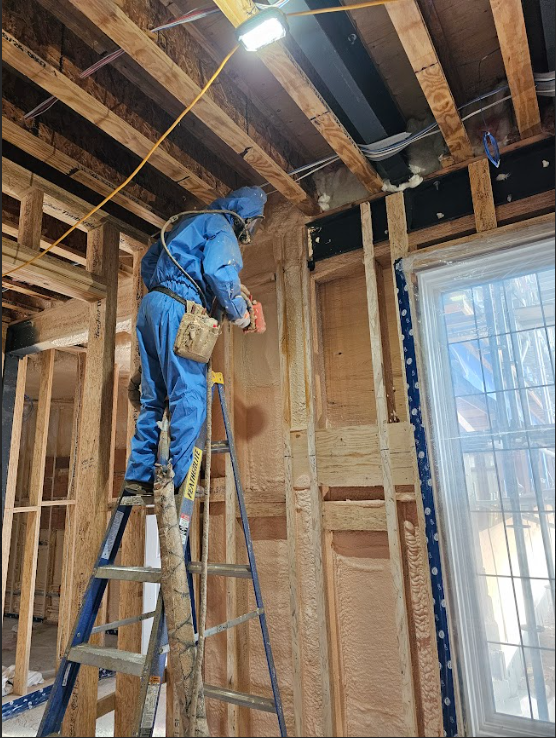
What started as a drafty attic with outdated insulation ended as an impressive energy-saving success powered by modern blown-in cellulose insulation at an R60 rating. The results demonstrate how proper insulation can dramatically improve home efficiency and comfort, especially during Bowmanville’s cold winters and humid summers.
This detailed breakdown walks through the challenges, process, materials, and final results of the upgrade so homeowners can see how professional attic insulation Bowmanville services using blown-in cellulose can transform comfort levels and energy savings.
1. The Home: A Classic Bowmanville Bungalow
The home was a cozy 1,400-square-foot bungalow built in the late 1980s. Like many houses of that era, it had aging insulation that no longer met current energy standards. The homeowner noticed rising heating costs, uneven indoor temperatures, and uncomfortable drafts near the ceiling during winter.
During the initial inspection, the attic contained a mix of old fiberglass batts with visible gaps and compression. The insulation level averaged R20 to R25, well below the recommended R60 for Bowmanville’s cold climate zone.
2. Key Issues Identified During Inspection
A detailed attic assessment revealed several issues affecting energy efficiency and air quality:
- Inadequate insulation depth: Average depth was only 6 inches, not enough to retain heat effectively.
- Air leaks and gaps: Spaces around vents, plumbing stacks, and ceiling fixtures allowed warm air to escape.
- Moisture spots: Slight discoloration in corners showed poor ventilation.
- Dust accumulation: Sign of airflow movement between living spaces and the attic.
Thermal imaging confirmed significant heat loss through the ceiling, explaining the homeowner’s rising energy bills and discomfort.
3. Solution Plan: Complete Insulation Overhaul
The best solution was a full removal of the old fiberglass insulation followed by a new blown-in cellulose installation. Cellulose insulation was chosen for its eco-friendly materials, soundproofing quality, and high resistance to air movement.
Project goals included:
- Achieving R60 insulation level for optimal thermal performance
- Improving attic ventilation to control moisture
- Sealing air leaks to prevent heat loss
- Reducing energy consumption for heating and cooling
4. Step-by-Step Process
Step 1: Safe Removal of Old Insulation
Technicians carefully vacuumed out the existing fiberglass insulation using a high-powered extraction system. This process prevented dust and debris from entering the living space and created a clean foundation for the new material.
Step 2: Air Sealing
Before new insulation was added, all major gaps and cracks were sealed with expanding foam. Special attention was given to areas around light fixtures, duct joints, and vent penetrations. This step ensured the attic would hold heat more effectively year-round.
Step 3: Ventilation Check
Proper airflow prevents future moisture issues. The team inspected soffit and roof vents, replacing blocked or damaged ones to promote consistent ventilation throughout the attic.
Step 4: Blown-In Cellulose Installation
Using specialized equipment, cellulose insulation was blown evenly across the attic floor. The team applied it to a depth of 18.5 inches to reach the target R60 value. Cellulose creates a dense layer that fills gaps and corners, improving coverage and reducing air leaks.
Step 5: Final Quality Check
Once installed, the insulation depth was measured across multiple points to ensure even application. A thermal camera scan confirmed uniform coverage and no cold spots.
5. Why Blown-In Cellulose Was the Right Choice
Blown-in cellulose insulation is made primarily from recycled paper treated with non-toxic fire retardants. It’s one of the most effective and sustainable insulation materials available.
Benefits realized for this project included:
- Excellent air sealing performance compared to fiberglass
- Better sound control between attic and living space
- Long lifespan with minimal settling
- Resistance to pests and mold
- Sustainable and environmentally friendly material
By upgrading to cellulose insulation at R60, the attic achieved the ideal resistance level for Bowmanville’s cold winters and humid summers.
6. Before and After Results
The transformation was clear both visually and through performance metrics.
Before:
- Attic insulation depth: 6 inches (R20–R25)
- Uneven coverage and visible gaps
- Energy bills averaging 25% higher than similar homes
- Noticeable temperature difference between rooms
After:
- Attic insulation depth: 18.5 inches (R60)
- Seamless, uniform cellulose coverage
- Energy costs dropped by approximately 30%
- Indoor comfort improved with steady temperatures
Homeowners noticed fewer drafts within days. The furnace ran less often, and indoor air felt more consistent and balanced.
For more insulation success stories and guides, visit our blog.
7. Data and Performance Comparison
After installation, the home’s energy use was monitored for two billing cycles. The numbers reflected real, measurable improvements:
Metric | Before Upgrade | After Upgrade | Improvement |
Insulation R-Value | R25 | R60 | +140% |
Average Winter Energy Use | 1,850 kWh/month | 1,295 kWh/month | -30% |
Indoor Temperature Variation | 4–5°C difference | 1–2°C difference | -60% |
HVAC Runtime | 8 hrs/day | 4.5 hrs/day | -44% |
These figures show how upgrading attic insulation directly impacts comfort and cost savings.
8. Challenges During the Project
Every attic has its unique challenges. In this home, access was limited due to a narrow hatch. The team used flexible vacuum hoses and portable blowing equipment to navigate the tight space efficiently.
Another challenge was addressing small moisture stains near roof vents. Additional baffles were installed to improve airflow and prevent condensation buildup. These minor adjustments ensured long-term attic health.
9. What the Homeowner Noticed
A few weeks after completion, the homeowner reported major improvements:
- Noticeably warmer bedrooms in winter mornings
- Reduced furnace noise and shorter heating cycles
- Lower hydro bills on the first statement after installation
- Cleaner indoor air with less dust
The feedback confirmed the insulation upgrade made the home more comfortable and energy-efficient, even during extreme Bowmanville weather.
10. Why Attic Insulation Bowmanville Projects Matter
Homes in Bowmanville experience temperature swings from humid summers to freezing winters. Attic insulation plays a key role in controlling those indoor conditions.
Upgrading attic insulation to R60 can help:
- Reduce heating and cooling costs year-round
- Extend HVAC lifespan
- Improve indoor comfort and air quality
- Prevent moisture problems and ice dams
Professional attic insulation services make sure the right materials and depth are used for Bowmanville’s specific climate needs.
Learn more about energy-efficient upgrades on our insulation service page.
11. Before and After Gallery
See the difference high-quality insulation makes. Our gallery features side-by-side photos showing how blown-in cellulose fills every gap for maximum coverage.
- Before: Patchy, thin fiberglass layers leaving heat escape points.
- After: Smooth, dense cellulose surface achieving full R60 protection.
Image Alt Texts:
- attic insulation Bowmanville before and after
- blown-in cellulose insulation installation
- attic upgraded to R60 insulation depth
- Bowmanville bungalow attic project results
12. Professional Insight: The Value of R60
Many homeowners underestimate the value of insulation depth. The R-value measures how well insulation resists heat flow. For Ontario’s climate, R60 provides strong protection against both cold winters and hot summers.
At this level, most homes experience:
- 25% to 35% reduction in heating bills
- Consistent temperatures across rooms
- Better humidity control
- Reduced noise from outside
Cellulose insulation maintains its R-value longer than fiberglass, offering durable performance for decades.
13. Internal Links and Further Reading
For homeowners exploring attic insulation options, here are helpful resources:
- Energy Efficiency and Home Comfort
- How Blown-In Insulation Saves Money
- Why R60 Insulation Is Ideal for Ontario Homes
- Attic Maintenance Tips for Every Season
Each article offers practical insights into improving home energy performance and protecting long-term value.
14. Lessons from the Bowmanville Project
This case study shows that even a single upgrade can bring lasting benefits. Attic insulation not only keeps energy bills low but also improves comfort, air quality, and the value of a home.
Key takeaways:
- Proper inspection identifies hidden issues like air leaks or moisture.
- Air sealing and ventilation are just as important as insulation depth.
- Blown-in cellulose provides complete coverage and sustainable performance.
- Professional installation ensures consistent results and long-term energy savings.
15. Ready to Start Your Own Upgrade?
Energy savings start from the top. If your home has uneven temperatures, rising bills, or aging insulation, it might be time for a professional assessment.
The Same Guys Insulation offers full-service solutions for attic insulation Bowmanville homeowners, from inspection to installation. Each project is handled with care, using top-quality materials and precise techniques to achieve the best possible results.
Book a Free Inspection Today
Get personalized advice, transparent estimates, and results you can measure.
 Schedule Your Attic Upgrade