
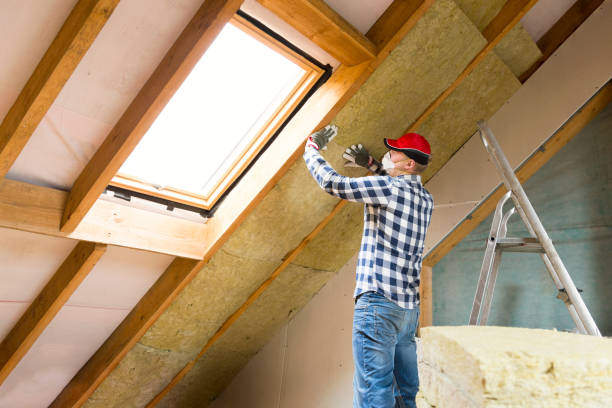
Choosing the Right Attic Insulation Doesn’t Have to Be Confusing
Your attic plays a huge role in how comfortable- and how energy efficient- your home really is. But with so many insulation types available, homeowners often struggle to decide which option is best. Should you go with lightweight fiberglass? Or choose dense, eco-friendly cellulose?
Making the right choice becomes easier when you understand the differences in R-values, long-term performance, soundproofing ability and overall benefits. And if you’re planning to hire attic insulation services, this guide will help you make a confident and informed decision.
Let’s break it all down in a clean, easy-to-read comparison.
Fiberglass vs Cellulose – Which Insulation Is Best for Your Attic?
Both fiberglass and cellulose are popular choices, but they perform differently in terms of cost, heat resistance, environmental impact and sound control.
Below is a detailed, side-by-side breakdown to help you choose what fits your home, budget and climate.
What Is Fiberglass Insulation?
Fiberglass insulation is made from extremely fine glass fibers. It is one of the most common insulation materials in North America.
How Fiberglass Works
Fiberglass slows heat transfer by trapping air inside tiny fibers. It’s commonly available as:
- Batts and rolls
- Loose-fill (blown-in)
Both types are widely used in attics.
Key Features of Fiberglass
- Lightweight and easy to install
- Resistant to moisture
- Affordable
- Non-combustible
- Available in several thicknesses and R-value options
What Is Cellulose Insulation?
Cellulose insulation is made from recycled paper- primarily newspaper- treated with fire-retardants for safety. It is blown into attics as dense loose-fill material.
How Cellulose Works
Its dense structure helps reduce airflow and provides better coverage around small spaces and cracks.
Key Features of Cellulose
- Eco-friendly (up to 85% recycled content)
- Excellent coverage
- Great for soundproofing
- Performs well in extreme climates
- Treated for fire, mold, and pest resistance
Fiberglass vs Cellulose – The Full Comparison
Below is a clean, web-friendly comparison of both insulation types.
1. R-Values (Thermal Performance)
R-value measures how well insulation resists heat flow. Higher R-values = better insulation performance.
Fiberglass R-Values
- R-2.2 to R-2.7 per inch (batts)
- R-2.9 to R-3.8 per inch (blown-in)
Cellulose R-Values
- R-3.2 to R-3.8 per inch (dense-pack)
Verdict:
Cellulose generally provides higher R-values, especially in blown-in form, making it better for cold regions or homes with high heating costs.
2. Soundproofing Performance
Fiberglass
- Offers moderate sound control
- Works best when installed in thick layers
- Gaps reduce soundproofing significantly
Cellulose
- Excellent at absorbing sound
- Dense, packed structure blocks noise effectively
- Ideal for homes near busy roads or airports
Verdict:
Cellulose wins for soundproofing, thanks to its density and complete coverage.
3. Eco-Friendliness
Fiberglass
- Made from glass and sand
- Manufacturing consumes more energy
- Not biodegradable
Cellulose
- Made from up to 85% recycled paper
- Lower carbon footprint
- Considered one of the most eco-friendly insulation materials
Verdict:
Cellulose is the better eco-friendly choice.
4. Installation Process & Coverage
Fiberglass Installation
- Batts require careful cutting
- Prone to gaps around wiring, pipes and irregular spaces
- Blown-in fiberglass offers better coverage
Cellulose Installation
- Flows into small crevices
- Creates tight, uniform coverage
- Reduces air leakage
- Typically installed with professional equipment
Verdict:
Cellulose offers superior coverage, reducing cold spots and energy loss.
5. Moisture Resistance
Fiberglass
- Does not absorb moisture
- Maintains shape if kept dry
- Needs proper ventilation to avoid mold in the attic
Cellulose
- Can absorb some moisture
- Requires proper ventilation
- Modern cellulose is treated to resist mold and pests
Verdict:
Fiberglass is slightly better for high-humidity regions, but both work well when ventilation is correct.
6. Fire Safety
Fiberglass
- Naturally non-combustible
- Doesn’t require additional fire treatments
Cellulose
- Treated with borate fire retardants
- Meets building safety standards
Verdict:
Both are safe, but fiberglass is naturally fire-resistant.
7. Cost Comparison
Fiberglass
- Among the most affordable insulation types
- Easy installation reduces labor cost
Cellulose
- Slightly more expensive
- Requires specialized blowing equipment
- Higher performance value for the price
Verdict:
Choose fiberglass for budget projects; choose cellulose for higher performance.
8. Longevity & Settling
Fiberglass
- Holds its shape well
- Minimal settling over time
Cellulose
- Can settle 10–20% over years
- Professionals compensate by adding extra depth
Verdict:
Fiberglass wins on long-term stability, but professional installation solves settling issues.
9. Air Leakage Control
Fiberglass
- Allows more air movement if not perfectly installed
- Works best with proper air sealing
Cellulose
- Dense structure blocks airflow naturally
- Reduces drafts and temperature swings
Verdict:
Cellulose provides better natural air sealing, though both require professional prep.
10. Which Is Better Overall?
Choose Fiberglass If:
- You want a budget-friendly option
- Your attic has good ventilation
- You need stable, long-lasting insulation
- You want non-combustible material
Choose Cellulose If:
- You want higher R-values
- You need soundproofing
- You prefer eco-friendly materials
- You have irregular attic spaces
How Professional Attic Insulation Services Help You Choose Correctly
Choosing the right insulation isn’t just about material- it’s about installation quality, moisture control, ventilation and long-term performance.
Professional attic insulation services help by:
✔ Conducting attic inspections
✔ Checking existing insulation
✔ Measuring airflow and moisture levels
✔ Calculating required R-values for your climate
✔ Selecting the right material for your budget
✔ Installing with proper safety and equipment
✔ Ensuring long-term efficiency
Doing it yourself often leads to gaps, uneven coverage and lower performance- costing you more in the long run.
Tips to Maximize Insulation Performance
Here’s how to get the most from whichever insulation you choose:
- Air Seal Before Adding Insulation
Air leakage reduces effectiveness by up to 30%.
- Maintain Proper Ventilation
Good airflow prevents moisture buildup.
- Choose the Right R-Value
Insufficient R-values mean higher bills and poor comfort.
- Hire a Certified Professional
Experienced installers guarantee safety, proper depth and correct density.
- Re-Check Insulation Every 5–7 Years
Attics settle and shift over time- regular checks ensure efficiency.
Want more attic improvement ideas? Visit our articles section.
FAQs
1. Which insulation is better for my attic- fiberglass or cellulose?
Both work well, but cellulose offers better R-values and soundproofing, while fiberglass is more affordable and moisture-resistant.
2. Is cellulose insulation safe?
Yes. Modern cellulose is treated with borate compounds that resist fire, mold and pests.
3. How much attic insulation do I need?
Most homes require R-38 to R-60, depending on climate. Attic insulation services can calculate the best R-value for your region.
4. Does fiberglass cause skin irritation?
Yes, during installation it can irritate skin and eyes. Professionals use full protective gear to stay safe.
5. How long does attic insulation last?
Fiberglass can last 20–30 years. Cellulose lasts 15–25 years depending on settling and moisture exposure.
6. Can I install attic insulation myself?
While possible, DIY jobs often result in gaps, uneven installation and lower comfort. Professional services ensure correct depth and long-term performance.
Conclusion: The Best Attic Insulation Depends on Your Home’s Needs
Both fiberglass and cellulose are excellent choices- but the right insulation depends on your budget, climate, attic layout and performance expectations.
If you want an eco-friendly, high-performing option with great soundproofing, cellulose is the winner.
If you prefer an affordable, stable and moisture-resistant material, fiberglass is a strong choice.
For the best results, professional attic insulation services ensure proper installation, correct R-values and long-term benefits.
👉 Talk to a specialist today.
Contact Us
Ready to enhance your home’s comfort and energy efficiency? Get in touch with The Same Guys Insulation today at [647-453-7037] to schedule an assessment and discover how we can transform your home into a more eco-friendly and comfortable space.
- 647-453-7037
- info@thesameguysinsulation.com
- Mon - Fri 9:00 - 18:00
Get A Quote