
Making your home energy-efficient is one of the smartest investments you can make. Lower utility bills, fewer drafts, improved comfort, and better air quality are just some of the benefits. But if you’re planning upgrades, one question always comes up:
Should you start with professional air sealing or add insulation first?
Both are important, but the order you choose matters a lot for results and savings. Let’s take a closer look so you can make the right decision for your home.
What Is Air Sealing?
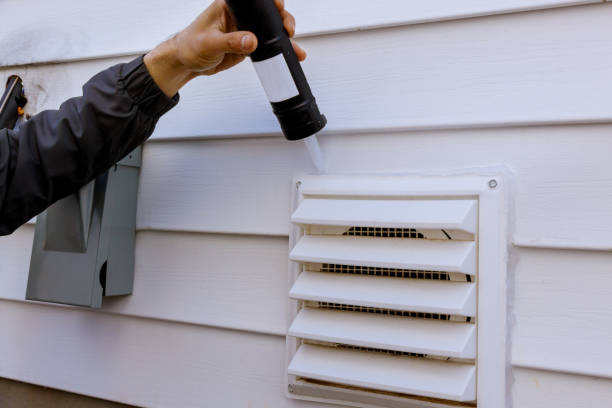
Air sealing is the process of closing gaps and cracks that allow outside air to enter and indoor air to escape.
Common problem areas include:
- Windows and doors
- Electrical outlets and switch plates
- Plumbing and wiring penetrations
- Attic hatches and recessed lighting
- Rim joists, basements, and crawl spaces
Professional air sealing involves identifying problem spots using tools like a blower door test, then applying materials like caulk, spray foam, or weatherstripping to eliminate drafts and air leaks.
Results: Drafts disappear, your home feels more comfortable, and you stop wasting money on air that leaks out.
What Is Insulation?
Insulation works differently. It doesn’t stop air leaks, it slows the transfer of heat through your walls, floors, and ceilings. This helps keep warm air inside during winter and prevents hot air from entering during summer.
Common insulation materials include fiberglass batts, cellulose, and spray foam. Each has different R-values (a measure of resistance to heat flow).
Results: Rooms stay warmer in winter and cooler in summer, your HVAC system runs less, and your home feels more stable and comfortable.
Air Sealing vs. Insulation: Which Comes First?
For maximum savings and comfort, professional air sealing should always come before insulation. Here’s why:
Factor | Air Sealing First | Insulation First (Without Sealing) |
Draft control | Eliminates drafts immediately | Drafts remain even with more insulation |
Heat loss | Stops air leaks, reducing major heat loss | Heat still escapes through leaks |
Energy bill impact | Savings show up right away | Limited savings |
Comfort | Balanced temperatures across rooms | Hot/cold spots remain |
Insulation effectiveness | Makes insulation work at full capacity | Insulation underperforms |
Why the Sequence Matters
Many homeowners assume that insulation should always come first, but in reality, professional air sealing should almost always be the first step. Here’s why:
- Without sealing, insulation can’t do its job. Imagine filling a cooler with ice but leaving the lid open. No matter how much ice you add, it melts quickly because air is freely moving in and out. The same thing happens when insulation is installed in a leaky home.
- Air leaks lead to comfort issues. Drafts around windows, floors, and ceilings cause hot and cold spots, making your heating and cooling system work harder.
- Heat loss is multiplied. Even small gaps can add up to the equivalent of leaving a window wide open year-round, leading to significant energy waste.
Air Sealing First: The Case for Maximum Savings
Reduce Drafts Immediately
Air sealing targets the cracks and gaps that cause those chilly drafts in the winter and hot spots in the summer. By tackling these first, you’ll feel more comfortable even before insulation is added.
Improve Insulation Performance
Once leaks are sealed, insulation can work at its full potential. This ensures your investment in insulation actually delivers the energy savings you expect.
Lower Energy Bills Faster
Professional air sealing often shows results right away. Homeowners typically notice reduced heating and cooling costs within the first billing cycle.
Better Indoor Air Quality
By blocking unconditioned air, sealing prevents pollutants, allergens, and moisture from sneaking into your home. This creates a healthier living environment for your family.
How Much Can You Save?
The U.S. Department of Energy reports that air sealing combined with insulation can save homeowners up to 15% on heating and cooling costs. Many homeowners see noticeable improvements in the first utility bill after sealing leaks.
But if you skip air sealing, you might spend thousands on insulation and still see little change in your monthly bills.
Signs You Need Air Sealing Before Insulation
You should prioritize professional air sealing if you notice:
- Cold drafts near windows, doors, or baseboards
- Uneven temperatures between rooms or floors
- High utility bills despite existing insulation
- Excess dust, pollen, or moisture entering your home
- Floors that feel cold in winter or upper levels that overheat in summer
These are all indicators that leaks are causing major efficiency problems.
The Role of a Blower Door Test
A blower door test is one of the most effective tools for finding leaks. It uses a powerful fan and sensors to measure how much air is moving through cracks and gaps.
Why it matters:
- Identifies leaks you can’t see or feel
- Prioritizes areas that need sealing
- Provides a baseline for improvements
With this test, professionals can target the biggest problem spots and deliver the best results.
Final Verdict: Seal First, Then Insulate
When it comes to the question of air sealing vs. insulation, the answer isn’t “either-or.” It’s about sequence. Always begin with professional air sealing to eliminate leaks, drafts, and unnecessary heat loss. Once your home is sealed tight, adding insulation will maximize your comfort and savings.
Don’t waste another season fighting drafts and high energy bills. Schedule your home’s assessment today with The Same Guys Insulation.
Contact Us
Ready to enhance your home’s comfort and energy efficiency? Get in touch with The Same Guys Insulation today at [647-453-7037] to schedule an assessment and discover how we can transform your home into a more eco-friendly and comfortable space.
- 647-453-7037
- info@thesameguysinsulation.com
- Mon - Fri 9:00 - 18:00
Get A Quote