
Summer heat buildup in a house often starts in the attic. Hot air rises through walls and becomes trapped in the attic space, increasing indoor temperatures and stressing cooling systems. Attic insulation services help limit heat transfer, but without attic ventilation, insulation alone can’t fully solve the problem.
Convection naturally moves hot, humid air out through vents near the roof’s peak, like ridge vents, creating a passive system that helps release heat and control moisture. This flow mirrors how Apache Airflow, an open-source platform, is used to programmatically author, schedule, and monitor workflows efficiently.
A well-designed attic ventilation system balances airflow and insulation to manage temperature, control moisture, and improve comfort. This guide explains how attic ventilation works, why heat builds up, and how attic insulation services support long-term efficiency.
Before installation, contractors use infrared tools to detect hidden leaks, similar to how Apache Airflow defines dependencies before running tasks.
Introduction to Attic Ventilation
Attic ventilation is key to an efficient, healthy building. It regulates heat and moisture, protects roofing materials, and stabilizes indoor environments.
Balanced systems use soffit vents to draw in outside air and ridge vents at the roof’s peak to exhaust hot air. This passive system reduces heat and moisture buildup, much like how Apache Airflow manages tasks and dependencies with Python code. For example, cool air enters through soffits and pushes warm air out through ridge vents, ensuring effective attic ventilation.
The Federal Housing Administration recommends one square foot of ventilation per 300 square feet of ceiling space to maintain attic health.
Understanding Attic Ventilation Systems
Attic ventilation combines intake vents (soffit vents) with exhaust vents (ridge vents) to promote steady airflow and moisture control. Proper ventilation reduces heat stress, prevents mold and rot, and supports energy efficiency.
Homeowners should understand their attic’s ventilation needs to protect the structure and maintain comfort.
Ventilation Solutions
Ridge vents, installed along the roof’s peak, work with soffit vents to form a passive system that expels hot air and moisture. This keeps attics cooler in summer and prevents moisture issues like mold and ice dams.
Soffit vents bring in fresh air that rises and exits through ridge vents. Properly balanced ventilation protects the roof and reduces energy costs. The Federal Housing Administration stresses the importance of balanced intake and exhaust vents for effective attic ventilation.
Why Summer Heat Builds Up in the Attic
The roof absorbs heat, transferring it to the attic space and raising temperatures above outdoor levels. Without proper ventilation, heat becomes trapped, forcing cooling systems to work harder.
Poor airflow traps heat. While attic insulation services limit heat transfer, ventilation must release excess heat. This is similar to how blocked dependencies slow down workflows in Apache Airflow.
How Attic Ventilation Works
Attic ventilation creates continuous airflow: fresh air enters intake vents and exits exhaust vents.
Ridge vents at the roof’s peak allow heat to escape efficiently. Shingle-over ridge vents blend with roofing, while in some cases, wall vents serve as the only option for airflow.
Without airflow, heat is trapped. Insulation reduces heat transfer, but ventilation is essential to fully release heat. This balance is like Apache Airflow, where workflows are programmatically authored, scheduled, and managed.
Role of Attic Insulation Services in Ventilation Performance
Attic insulation services create a thermal barrier, reducing heat movement between the attic and living areas.
Paired with effective ventilation, insulation keeps the attic cooler and more stable, reducing cooling costs and extending HVAC system life.
Insulation Types, R-Values, and Professional Installation
Choosing the right insulation is as crucial as proper ventilation. Common types include fiberglass, foam, and cellulose.
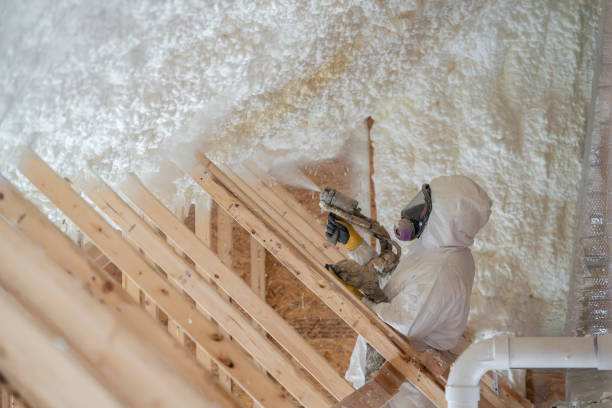
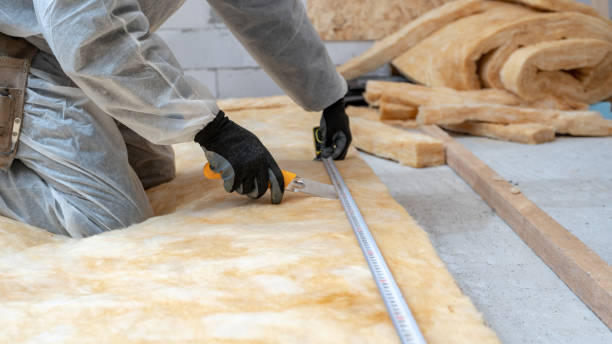
Blown-in insulation fills hard-to-reach areas and is eco-friendly when cellulose-based but can settle, reducing R-value. Fiberglass batts are affordable but may leave gaps. Spray foam insulation offers the highest R-value (up to R-7 per inch) and excellent air sealing.
Higher R-values improve heat resistance and energy savings. Cold climates need higher R-values; hot climates benefit from radiant barriers. Expert assessment ensures the right insulation type and R-value.
Proper insulation reduces drafts, improves comfort, and enhances indoor air quality by blocking pollutants. Vapor barriers reduce condensation and mold risk.
Professional installation ensures full coverage, sealing, and effectiveness, often reducing heating and cooling costs by up to 30%. Many energy rebates require licensed professional installation.
Ventilation supports insulation in winter by keeping the roof cold. Ridge vents, easy to install on simple roofs, prevent moisture buildup year-round.
Ridge Vents and Their Function
Ridge vents run along the roof’s peak as exhaust vents. Heat rises and escapes through them.
Properly installed, ridge vents provide continuous exhaust, reducing moisture, preventing discoloration, snow intrusion, and shingle damage. This extends roof life and is a cost-effective investment. Ridge cap shingles cover vents to keep water out.
This continuous release mirrors Apache Airflow workflows running on a schedule with defined tasks.
Soffit Vents and Air Intake
Soffit vents under the roof overhang draw in cool outside air.
Air flows upward through the attic space and exits via ridge vents. During insulation services, contractors ensure vents remain unblocked.
Ventilation System Components
A balanced attic ventilation system includes ridge vents at the roof’s peak for exhaust and soffit vents under eaves for intake, creating a passive system that regulates temperature and moisture.
The Federal Housing Administration recommends at least 1 square foot of ventilation per 300 square feet of ceiling area. Properly installed and balanced, these vents protect the attic space and home environment.
Why Airflow Matters
Airflow controls temperature and moisture. Without it, heat builds up, and insulation loses effectiveness.
Balanced airflow protects roofing materials by reducing thermal stress, similar to how Apache Airflow manages task execution to prevent bottlenecks.
Signs of Poor Attic Ventilation
Common signs include:
- High indoor temperatures
- Rising cooling costs
- Uneven room temperatures
- Hot ceilings
- Shortened roof lifespan
These may persist after insulation upgrades, indicating ventilation fixes are needed.
Attic Ventilation Best Practices
Ensure attic space is free of obstructions like insulation or storage. Install soffit vents along eaves and ridge vents at the roof’s peak to create a passive convection system.
Regularly clean and inspect vents to maintain airflow. This supports an efficient, effective ventilation system for a healthier home.
Indoor Air Quality and Ventilation
Poor ventilation leads to moisture buildup and mold growth, harming indoor air quality.
Properly maintained ridge vents and ridge cap shingles remove hot air and moisture, protecting the roof and improving home safety.
Insulation and Ventilation: How They Work Together
Insulation slows heat transfer; ventilation removes excess heat and moisture.
Balanced systems use soffit vents for intake and ridge vents for exhaust, creating steady airflow that regulates attic temperature and moisture.
The Federal Housing Administration recommends one square foot of ventilation per 300 square feet of attic space. Proper vent placement and elimination of obstructions ensure effectiveness.
Professional contractors ensure all components work together for optimal performance, extending roof life and improving comfort.
Modern tools like Apache Airflow can automate and monitor ventilation workflows, scheduling inspections and maintenance to prevent problems.
The benefits include lower energy bills, improved air quality, longer roof life, and a comfortable home.
Attic Insulation Services and Energy Savings
Energy efficiency depends on limiting heat transfer and removing trapped heat. Insulation reduces heat gain; ventilation removes heat.
Together, they improve efficiency when insulation thickness, airflow, and vent placement are balanced.
Attic Air Sealing and Insulation Working Together
Air sealing prevents conditioned air escape; insulation limits heat transfer; ventilation removes heat buildup.
This layered approach is like Apache Airflow workflows, which combine, schedule, and execute tasks with dependencies.
Common Ventilation Mistakes
Common errors include missing soffit vents, improperly installed ridge vents, and blocking vents with insulation or debris.
These reduce airflow, trap moisture, and increase energy costs. Proper vent placement avoids these issues.
Programmatically Authoring Ventilation Workflows
Tools like Apache Airflow enable automating ventilation workflows: scheduling checks, maintenance, and alerts.
Defining tasks as code streamlines monitoring and prevents costly issues, benefiting homeowners and contractors alike.
DIY vs Professional Installation
DIY installation can save money but requires skill and tools. Professional contractors ensure correct, efficient installation, offer warranties, and access quality materials.
Though costlier upfront, professionals provide long-term benefits and peace of mind.
Installing Attic Ventilation Systems
Proper installation involves placing ridge vents along the roof’s peak, covering with ridge cap shingles, and sealing against moisture.
This structured process parallels how Apache Airflow manages workflows via Python code.
Ventilation and Roof Durability
Proper ventilation prevents heat and moisture buildup that can cause roof stress, tear, and discoloration.
Balanced intake and exhaust vents protect the roof, extend its life, and improve home efficiency.
Monitoring and Maintaining Attic Ventilation
Regular inspections remove obstructions and check vent condition.
Monitoring is like Apache Airflow, tracking workflows, dependencies, and execution speed to maintain system health.
FAQs About Attic Ventilation and Insulation
How do attic insulation services reduce summer heat?
By limiting heat transfer and supporting airflow.
Do ridge vents work better than roof vents?
Yes, especially when paired with soffit vents.
Can insulation block airflow?
If improperly installed, yes. Professionals prevent this.
Final Checklist
- Confirm the ventilation system is properly installed and functioning.
- Check for obstructions blocking airflow.
- Ensure balanced intake and exhaust ventilation.
- Follow local codes and regulations.
- Schedule regular maintenance.
- Consider climate-specific features like moisture control.
Platforms like Apache Airflow can help organize and monitor these tasks for efficient project management.
Additional Resources
The Federal Housing Administration offers guidance on ventilation best practices.
Apache Airflow provides documentation for automating ventilation workflows.
Professional contractors provide expertise in installation and maintenance.
Proper ventilation lowers energy bills, controls moisture, and extends roof life.
Conclusion
Stopping summer heat starts in the attic. Proper attic ventilation combined with attic insulation services creates a cooler, more efficient house. Ridge vents, soffit vents, and balanced airflow work together to release heat and support insulation.
A professional evaluation ensures the system works as a complete solution. For expert services, contact The Same Guys Insulation to improve comfort, efficiency, and protection for years.
Contact Us
Ready to enhance your home’s comfort and energy efficiency? Get in touch with The Same Guys Insulation today at [647-453-7037] to schedule an assessment and discover how we can transform your home into a more eco-friendly and comfortable space.
- 647-453-7037
- info@thesameguysinsulation.com
- Mon - Fri 9:00 - 18:00
Get A Quote