
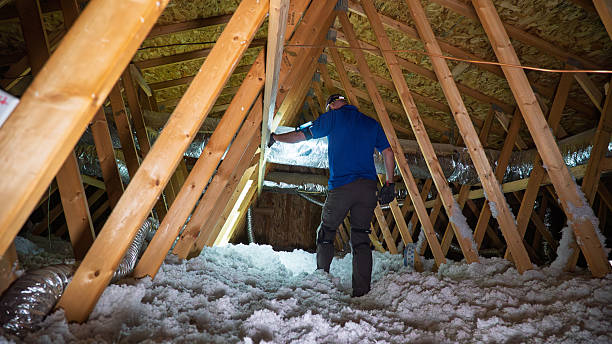
Spring is a good time to walk through your home and check spots that often go unnoticed. One of the most important areas is the attic. A quick look can reveal early clues of moisture, hidden mold, poor ventilation, or damaged insulation. These issues grow quietly, and many homeowners only notice them when staining shows up on ceilings or energy bills rise. A careful spring inspection helps stop small problems before they turn into repairs.
During this process, you may notice insulation that needs attention. When insulation stays damp or contaminated, attic insulation removal becomes an important step. This guide will help you understand how to check your attic, what signs to look for, and how ventilation and soffit baffles support a dry and healthy space.
How to Start Your Attic Self-Audit
A self-audit works best when done slowly and safely. Use a flashlight with strong brightness, wear gloves, and keep a mask on to avoid breathing in dust. Step only on the joists, and do not rush through the attic.
Step 1 – Look for Moisture Stains or Discoloration
Moisture rarely stays hidden for long. Stains on rafters or roof decking show where water has moved. Some stains look like small dark rings. Others look like large light patches. If insulation looks darker in certain areas, moisture may have soaked through it.
Step 2 – Check the Insulation Condition
Good insulation feels dry, fluffy, and evenly spread. If insulation looks heavy, lumpy, or flattened, moisture may have settled inside. Wet insulation cannot trap heat correctly. Mold can grow in wet insulation faster than on dry wood. Large damaged areas are common reasons for attic insulation removal during spring cleaning.
Step 3 – Inspect the Roof Decking for Softness
Wood that has absorbed moisture for long periods becomes soft. Press lightly with a gloved hand. The surface should feel solid. Soft spots point to ongoing or repeated moisture exposure.
Step 4 – Look for Drips or Shiny Spots
A small drip often dries before anyone sees it. However, it leaves a shiny mark on wood or nails. Shiny or dark streaks often show the path of a slow leak.
Step 5 – Check for Odors
A musty smell is a strong hint that moisture has been present for a while. Even if mold patches are not easy to see, the smell provides an early warning.
Mold Warning Signs in the Attic
Mold thrives in dark places with low airflow and steady moisture. Attics are perfect if airflow is blocked. Early mold looks like tiny gray or black dots. As time passes, the spots spread into patches. You may also notice:
- A damp or stale odor
- Powdery surfaces
- Black marks around nails
- Green or white patches on insulation
- Flaking or peeling wood fibers
Mold spreads across insulation and rafters faster when warm indoor air rises into a cold attic. A spring inspection helps catch it before it spreads.
Why Ventilation Matters During Your Inspection
Ventilation plays a central role in attic health. Good ventilation keeps air moving. Stale air holds moisture, which settles on cold surfaces. This leads to condensation, mold, and insulation damage.
Attics with poor airflow may show:
- Damp insulation
- Dark stains around vents
- Rust on metal nails
- Frost buildup in colder seasons
- High heat in warmer seasons
- Mold along rafters
Air must enter through the soffits and exit through the ridge or gable vents. A quiet attic with no steady airflow becomes a trap for moisture.
Role of Soffit Baffles in a Healthy Attic
Soffit baffles help guide fresh air from soffit vents into the attic. Without them, insulation can slide against the soffit area and block airflow. This creates warm and damp spaces that mold can grow in easily.
How to Review Your Soffit Baffles During the Audit
Look for these signs:
- Clear openings from the soffit into the attic
- No insulation pressed tightly against the soffit
- Firm and straight baffles
- No dust or debris blocking vents
- A visible channel for air to rise
If baffles look crushed or missing, the attic will not receive the airflow needed to stay dry. Adding or fixing baffles is a simple and effective way to reduce moisture.
When Attic Insulation Removal Is Necessary
Not all attic problems require insulation removal, but certain conditions make removal the safest option.
Condition 1 — Wet or Damp Insulation
Insulation that feels heavy or damp holds moisture for long periods. Mold can settle inside fibers. Removal prevents mold from spreading across the attic.
Condition 2 — Mold-Covered Insulation
Once mold grows on insulation, it spreads easily. Removal helps protect wood surfaces and prevents spores from spreading through the home.
Condition 3 — Compacted Insulation
Insulation that has settled or compacted cannot perform well. Spring cleaning is a good time to remove outdated insulation and install new material at proper depth.
Condition 4 — Rodent Damage
Insulation with droppings, tunnels, nests, or strong odors should be removed. Rodent debris carries contaminants that should not remain inside the attic.
Condition 5 — Smoke or Fire Damage
Even a small area of smoke damage affects insulation. Removal helps restore clean airflow and prevent long-term odor.
Removing damaged insulation supports a clean attic and allows new insulation to perform properly.
Step-by-Step Guide to Checking for Moisture in Key Attic Areas
Moisture often hides in places that don’t stand out at first glance. Move through these areas slowly.
Check Roof Valleys
Roof valleys handle large amounts of water. Small drips may form where nails or boards sit close together. Look for stains below these areas.
Check Around Skylights
Skylight frames can shift slightly over time. This creates tiny gaps. Look for stains or soft wood near skylight openings.
Inspect Bathroom Exhaust Pipe Connections
A bathroom fan that releases air into the attic creates constant moisture. Make sure the pipe connects to an outdoor vent.
Review Recessed Light Housing
Warm indoor air often escapes around recessed light fixtures. Check for moisture or stains above them.
Look for Gaps Around Utility Lines
Wiring, ducts, and pipes can leave small openings where warm indoor air escapes. Sealing these gaps reduces moisture.
How to Slow Mold Growth Until Professional Help Arrives
If mold is found during your audit, a few simple steps help control the spread.
Improve Airflow
Open attic vents to boost airflow. Remove any loose insulation blocking soffit openings.
Keep Insulation Dry
If you find damp insulation, avoid disturbing it. Disturbing it spreads mold spores. Removal should be done carefully.
Seal Air Leaks
Use caulk or foam sealant around small gaps. This keeps warm, moist indoor air from drifting into the attic.
Keep Exhaust Fans Vented Outdoors
Check bathroom and kitchen exhaust connections. Proper venting reduces moisture quickly.
These actions help control moisture until a professional evaluation can be scheduled.
Safety Tips During the Audit
Attics are tight spaces with low visibility. Safety helps prevent injury and avoids disturbing insulation or mold.
- Wear gloves
- Wear a mask
- Step only on the joists
- Move slowly
- Keep your flashlight pointed ahead
- Avoid sitting or kneeling on insulation
This protects both you and your attic.
How Long a Proper Attic Audit Takes
A complete spring attic check usually takes 30 to 60 minutes. Larger attics or homes with complex rooflines may take longer. If you feel uncomfortable entering certain areas or notice strong odors, a professional moisture check provides a safer alternative.
FAQ
How do I know if insulation must be removed?
Wet, moldy, compacted, or contaminated insulation should be removed.
How often should an attic be inspected?
A spring and fall inspection keeps problems under control.
What are soffit baffles used for?
Baffles keep insulation from blocking soffit vents. This creates a clear air path.
Why does mold grow in the attic?
Moisture combined with low airflow creates ideal mold conditions.
What helps prevent moisture in the attic?
Good ventilation, sealed gaps, proper exhaust venting, and dry insulation help prevent moisture.
Conclusion
A spring attic audit helps protect the home from moisture, mold, and hidden damage. With a careful look at insulation, ventilation, and soffit baffles, problems can be spotted before repairs become expensive. When insulation is damp, moldy, or damaged, attic insulation removal helps restore a clean and safe attic. A dry attic supports healthy air and better energy savings.
For support with inspections or service options, reach out for a free moisture check and get a clear picture of the attic’s condition.
Contact Us
Ready to enhance your home’s comfort and energy efficiency? Get in touch with The Same Guys Insulation today at [647-453-7037] to schedule an assessment and discover how we can transform your home into a more eco-friendly and comfortable space.
- 647-453-7037
- info@thesameguysinsulation.com
- Mon - Fri 9:00 - 18:00
Get A Quote