
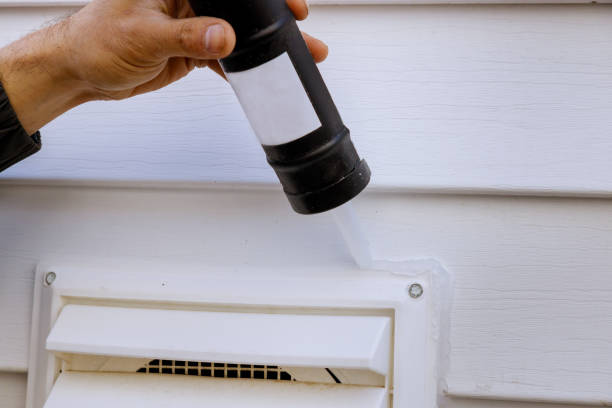
Why DIY Air Sealing Isn’t as Simple as It Looks
Air sealing may seem straightforward, a little foam here, some caulk there, and problem solved. Right?
Not quite.
Many homeowners start their DIY project with confidence but end up missing hidden gaps, using the wrong products, or creating ventilation and moisture issues. Poor air sealing can reduce comfort, waste energy, and even cause major safety concerns.
Understanding the most common mistakes will help you decide whether to tackle the job yourself or leave it to professional air sealing experts who ensure maximum safety and effectiveness.
1. Sealing the Wrong Areas First
Many DIYers start with easy-to-reach spots like windows and doors. But 60–70% of air leakage actually comes from hidden gaps, such as:
- Attic bypasses
- Utility penetrations
- Rim joists
- Recessed lighting
- Wall-to-attic openings
This means most DIY air sealing barely scratches the surface.
Pro Tip: A blower door test helps identify real problem areas- something offered only in professional air sealing services.
2. Using the Wrong Sealant or Foam
Not all sealants are equal. DIYers often buy whatever foam is on sale, but different materials require different solutions.
Common mistakes:
- Using standard foam where fire-blocking foam is required
- Applying silicone where acrylic latex is needed
- Using outdoor sealant on indoor surfaces
- Choosing a foam that expands too much
This leads to wasted materials, cracks reopening, or unsafe results.
DIY vs Pro Insight:
Professionals match foam density, expansion level, temperature rating, and safety requirements to each part of the home.
3. Ignoring Safety Risks
Air sealing may look safe, but it comes with real hazards.
Top safety risks DIYers forget:
- Blocking combustion appliance vents
- Sealing gas appliance rooms incorrectly
- Working around electrical wiring
- Entering dusty attics without protective gear
- Causing negative air pressure in tight homes
Improper sealing can trap harmful gases like carbon monoxide.
This is where professional air sealing gives peace of mind, because pros follow strict building codes and safety protocols.
4. Not Understanding Airflow Patterns
Many DIYers treat air leaks like random openings. But homes have specific airflow patterns based on:
- Stack effect
- Pressure zones
- Ventilation systems
- Duct leakage
- Weather changes
Without understanding these patterns, people seal in the wrong order- or worse, seal things that shouldn’t be sealed.
Example:
Blocking attic ventilation is one of the fastest ways to cause moisture damage.
5. Forgetting the Attic- The Biggest Source of Heat Loss
Most air leaks occur in the attic, but DIYers often avoid it because it’s uncomfortable or difficult to access.
Common attic sealing mistakes:
- Not sealing top plates
- Ignoring pull-down attic stairs
- Overlooking recessed lights
- Not sealing plumbing or wiring penetrations
- Failing to air seal before adding insulation
Important: Air sealing must be done before insulation- otherwise warm air continues leaking into the attic.
6. Overlooking Basement and Crawl Space Leaks
DIYers rarely think about basements, but rim joists and sill plates are major leak points.
Symptoms of poor basement air sealing:
- Cold floors
- Musty smells
- Higher humidity
- Insects entering through gaps
Professional air sealing includes rim joist sealing- a step many homeowners skip because it requires specialized foam and technique.
7. Applying Too Much or Too Little Foam
Spray foam needs precision. Too much foam causes:
- Bowed window frames
- Cracked drywall
- Overflow and mess
- Restricted movement in joints
Too little foam results in:
- Continued air leakage
- Gaps that reopen
- Shorter-lasting results
Professionals use calibrated foam guns for consistent, long-lasting coverage.
8. Missing Hidden Gaps Behind Fixtures
DIYers often seal only what they can see. But some of the worst leaks hide in:
- Behind electrical outlets
- Around HVAC ducts
- Under bathtubs
- Behind knee walls
- Inside attic chases
- Under flooring transitions
These leaks require experience, equipment, and sometimes partial disassembly- things DIYers typically avoid.
9. Sealing Without Checking Moisture Problems
Air sealing a home without checking moisture levels can trap humidity inside the home.
Effects of improper moisture control:
- Mold growth
- Peeling paint
- Condensation on windows
- Musty odors
- Wood rot
Professionals pair air sealing with proper ventilation, ensuring a safe balance between sealing and airflow.
10. Not Knowing When to Call a Pro
Air sealing is often promoted as a simple DIY job, but effectiveness and safety depend heavily on skill and equipment.
When DIY becomes risky or ineffective:
- Homes with gas appliances
- Older homes with unknown leaks
- High humidity homes
- Larger properties
- Homes with prior insulation issues
A professional ensures the job is code-compliant, efficient, and long-lasting.
DIY vs Pro – Why Hiring a Professional Matters
Professional air sealing offers major advantages:
✔ More accurate leak detection
Through blower door tests and thermal imaging.
✔ Higher quality materials
Professionals use commercial-grade foams and sealants.
✔ Better safety
Pros know how to avoid combustion, wiring, and ventilation hazards.
✔ Long-term effectiveness
A properly sealed home saves 15–30% on energy bills.
✔ Faster results
A job that takes DIYers days can often be done in a few hours by a pro.
How to Avoid These Mistakes – Simple Action Plan
Here’s how you can seal your home correctly and safely.
Step 1 – Identify Real Leak Points
Start with attics, rim joists, duct penetrations, and utility openings.
Step 2 – Use Proper Materials
Choose the right foam density, fire-blocking sealant, and weather-resistant materials.
Step 3 – Follow Ventilation Rules
Never block ventilation paths, appliance rooms, or exhausts.
Step 4 – Combine Air Sealing With Insulation
Improper sequencing reduces effectiveness by up to 40%.
Step 5 – Consider Calling a Pro
If you want long-term safety, higher energy savings, and code compliance, professionals are always the better choice.
FAQs – Based on Real Search Intent
1. Is air sealing really worth it?
Yes. Air sealing can reduce energy bills by 15–30% and improve comfort, humidity control, and indoor air quality.
2. What’s the difference between DIY vs pro air sealing?
DIY sealing covers only visible cracks. Professional air sealing uses blower door tests, commercial foams, and safety protocols for deeper and long-lasting results.
3. Is air sealing safe to do on your own?
Not always. Incorrect sealing can trap carbon monoxide, create moisture problems, or damage framing. Safety is a major reason homeowners hire pros.
4. How long does professional air sealing last?
Professionally applied sealants can last 10–20 years, compared to DIY sealants that fail within a few seasons.
5. Should air sealing be done before insulation?
Yes. Air sealing must happen first, otherwise insulation won’t work effectively.
6. How much does professional air sealing cost?
Costs vary by home size, but pros often save more money long-term because their work is more accurate and durable.
Conclusion: Seal Smart-Not Blindly. Choose Professional Air Sealing for Best Results
Air sealing dramatically improves comfort and efficiency-but only when done correctly. DIY attempts often miss hidden gaps, use the wrong materials, or create safety hazards like moisture problems and poor ventilation.
For the safest, most effective, and long-lasting results, professional air sealing is the smartest choice.
Contact Us
Ready to enhance your home’s comfort and energy efficiency? Get in touch with The Same Guys Insulation today at [647-453-7037] to schedule an assessment and discover how we can transform your home into a more eco-friendly and comfortable space.
- 647-453-7037
- info@thesameguysinsulation.com
- Mon - Fri 9:00 - 18:00
Get A Quote