
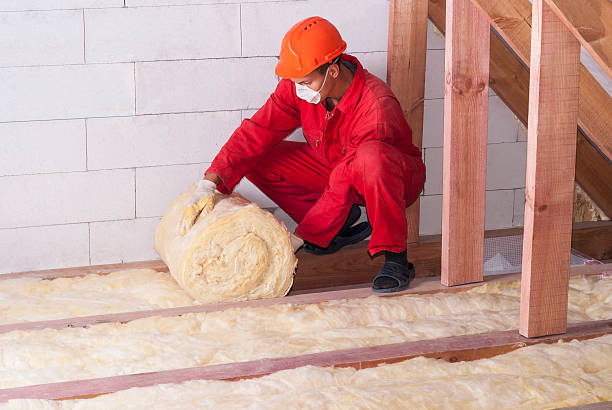
Older Toronto homes have charm you can’t replicate, but they also come with serious challenges when it comes to comfort, energy use, and safety. Many century homes, including brick semis across neighbourhoods like Riverdale, Leslieville, Roncesvalles, and The Annex, were built long before modern insulation standards existed. That’s why attic insulation Toronto homeowners choose today plays a major role in reducing energy costs, improving comfort, and supporting long-term deep retrofits.
It’s important to keep an account of your home’s insulation types and conditions, as this helps determine when insulation should be topped up or replaced. Professional guidance can help you manage and update your insulation account, ensuring optimal energy efficiency and compliance with current standards.
This guide explains the best insulation upgrades for 100-year-old houses, what to watch for with aging wiring and moisture, and how modern retrofit projects can dramatically improve energy efficiency without compromising heritage value.
Introduction to Insulation Upgrades
Upgrading your home’s insulation is one of the smartest investments you can make for both comfort and savings. In Toronto’s older homes, effective insulation upgrades—such as spray foam insulation, foam insulation, and blown insulation—can dramatically lower energy costs by reducing heat loss and minimizing air leakage. These improvements not only help keep your living space warm in winter and cool in summer, but also create a healthier indoor environment by controlling excess moisture and preventing mold growth. By choosing the right insulation, homeowners can enjoy greater home comfort, save on monthly energy bills, and contribute to a more sustainable environment. Whether you’re looking to boost energy efficiency or simply make your home more comfortable, insulation upgrades offer lasting benefits for both your wallet and your well-being.
Identifying Insulation Needs
Knowing when your home needs an insulation upgrade starts with a careful home inspection. Look for telltale signs like drafts, cold spots, or rooms that never seem to stay warm—these often point to air leakage or insufficient insulation. Check your attic, walls, and ceiling for visible gaps or thin insulation layers, and be alert for any signs of excess moisture, such as water stains or musty odors. If your house still has knob and tube wiring, it’s especially important to address this outdated system before adding new insulation, as it can pose safety risks and drive up energy costs. A professional home inspection can pinpoint exactly where your home is losing energy and recommend the best insulation solutions to improve comfort, safety, and efficiency.
Attic Insulation Toronto
For older houses, the attic is the single most important place to start. Heat rises, and without proper attic insulation, warm air escapes through the roof in winter and overheats the house in summer. In Toronto’s Climate Zone 6, upgrading attic insulation can reduce energy consumption by 30–50%, especially in homes built before insulation was standard practice. Toronto follows Climate Zone 6 guidelines, recommending R-60 attic insulation for maximum energy efficiency and eligibility for rebates. Old insulation can lead to problems such as mold, pests, and drafts, making replacement necessary.
Many Toronto homeowners are surprised to learn that modern attic insulation can often be topped up, rather than fully removed, depending on the condition of the existing materials. A professional home inspection helps determine whether adding insulation or replacing it entirely makes more sense. Replacing old attic insulation can help prevent issues such as mold and pest infestations. The R-Value of insulation measures its effectiveness in preventing heat transfer, with higher R-Values indicating better performance. It is also important to maintain proper airflow and temperature in the attic through insulation upgrades to ensure long-term energy efficiency.
Spray Foam Insulation
Spray foam insulation is widely regarded as the most energy-efficient insulation product available today. It expands on contact, creating both insulation and an air barrier in one application. The high capacity of spray foam insulation allows it to completely seal and insulate attic spaces, ensuring thorough coverage, sealing of gaps, and improved energy efficiency. For older homes with irregular framing, sloped ceilings, and hard-to-reach cavities, spray foam insulation offers unmatched performance.
Benefits of spray foam insulation include:
- Exceptional air sealing that reduces air leakage
- High R-values per inch, ideal for tight attic spaces
- Strong moisture resistance that helps prevent mold growth
- Long lifespan, often exceeding 80–100 years in ideal conditions
Proper installation requires specialized equipment to ensure safe, effective, and compliant application. When selecting spray foam insulation, it is important to choose products from reputable manufacturers to ensure durability and efficiency. Many products come with a guarantee or warranty, providing assurance of long-term performance and customer satisfaction. EcoStar Insulation emphasizes the importance of following building codes and manufacturer specifications during installation to achieve the best results.
For maximum R-value and moisture control in compact areas, spray foam insulation is often the preferred solution during retrofit projects.
Knob and Tube Wiring
One of the most critical considerations in 100-year-old Toronto houses is knob and tube wiring. Many brick semis and detached homes still contain sections of knob and tube wiring hidden in the attic and walls. This outdated wiring system reflects older electricity delivery and wiring standards, which differ significantly from modern systems. The high cost of installing knob-and-tube wiring was a key reason it was eventually phased out in favor of more cost-effective and safer cable systems. Knob and tube wiring was never designed to be surrounded by insulation and can pose a serious fire risk.
Before adding insulation, a licensed electrician should inspect and, where necessary, replace knob and tube wiring. Insulating over active knob and tube wiring is unsafe and not permitted. Addressing wiring first ensures both safety and code compliance during attic insulation upgrades.
Attic Insulation
Attic insulation options for older homes include fiberglass batts, blown insulation, cellulose, spray foam, and mineral wool. Each material performs differently depending on the attic layout, moisture levels, and long-term retrofit goals.
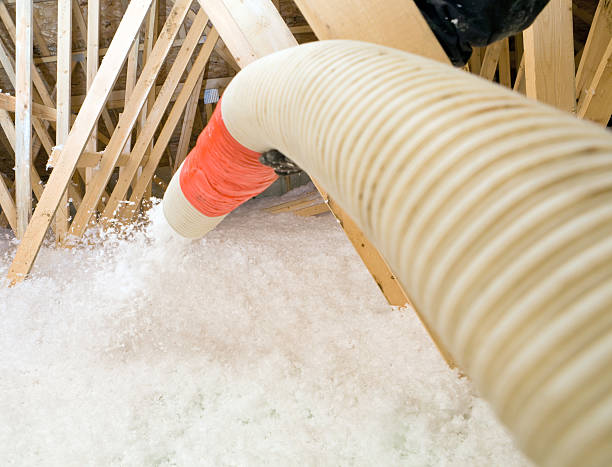
Blown-in fiberglass is budget-friendly and effective at filling irregular spaces. Dense-pack cellulose is often recommended for Toronto’s climate because it provides strong thermal performance at a lower cost. Mineral wool adds fire resistance and soundproofing, while spray foam offers the highest energy efficiency.
To reach R-60, the recommended level for Toronto, approximately 17–20 inches of blown-in fiberglass or cellulose is required.
Foam Insulation
Foam insulation, including spray foam products, excels in older houses where air leakage is a major issue. Because foam insulation seals cracks and gaps as it expands, it reduces uncontrolled air movement, improves indoor air quality, and supports deep retrofits aimed at lowering long-term energy use.
Foam insulation also works well around complex framing, chimneys, and roof lines common in century homes.
Air Leakage
Air leakage is one of the biggest contributors to high energy costs in older Toronto houses. Gaps around plumbing stacks, electrical wiring, attic hatches, and wall-to-ceiling connections allow warm air to escape.
Before installing insulation, all gaps and cracks should be sealed to create a continuous air barrier. A blower door test performed by a Natural Resources Canada (NRCan) registered energy advisor can identify exactly where heat loss occurs.
Retrofit Project
Every insulation upgrade in a 100-year-old house is a retrofit project, not a simple install. Older homes require careful planning to address moisture, ventilation, wiring, and structural details.
Modern retrofit projects focus on:
- Improving energy efficiency without trapping moisture
- Preserving the building envelope
- Supporting long-term deep retrofits rather than short-term fixes
Professional installation is essential to ensure the insulation system performs as intended.
Energy Efficiency
Improving attic insulation is one of the most effective ways to boost energy efficiency in older homes. Proper insulation reduces energy use, lowers heating and cooling costs, and helps homes perform better during extreme seasonal temperature swings.
In addition to saving on energy costs, improved energy efficiency and comfort from attic insulation can enhance the productivity of the building’s occupants by creating a more comfortable living environment.
Toronto homeowners can also benefit from rebates. As of January 5, 2026, the Home Renovation Savings Program increased attic insulation rebates by $250, with up to $1,250 available for upgrading to R-50 or higher.
Vapor Barrier
A proper vapor barrier is essential in cold climates like Toronto’s. It helps control moisture movement from the warm interior into the attic, reducing the risk of excess moisture and mold growth.
Blown-in cellulose must be paired with an effective vapor barrier because it can absorb moisture. Spray foam insulation often acts as its own vapor barrier when installed at the correct thickness.
Deep Retrofits
Deep retrofits go beyond adding insulation. They aim to dramatically reduce energy use and carbon emissions by upgrading insulation, air sealing, ventilation, and mechanical systems together.
In Toronto’s older housing stock, deep retrofits:
- Lower long-term energy costs
- Improve home comfort and indoor environment
- Reduce the home’s carbon footprint and impact of climate change
Attic insulation is often the first and most cost-effective step in these larger retrofit strategies.
Home Comfort
Proper attic insulation improves home comfort by maintaining consistent indoor temperatures, reducing drafts, and easing the workload on the HVAC system. A well-insulated attic keeps homes warmer in winter, cooler in summer, and quieter year-round.
Local Tips: Toronto Neighbourhoods
- Riverdale & Leslieville: Watch for knob and tube wiring in brick semis before insulating.
- The Annex: Older roof structures benefit from spray foam insulation in tight attic spaces.
- Roncesvalles: Blown-in cellulose works well for topping up existing insulation during retrofits.
Maintenance and Upkeep
Keeping your insulation in top shape is key to maintaining an energy efficient home. Regularly inspect your insulation for holes, gaps, or signs of wear that could let air or moisture in. Good air circulation and proper ventilation are essential to prevent moisture buildup and reduce the risk of mold growth, which can compromise both your insulation and your indoor air quality. By staying on top of maintenance, you ensure your insulation system continues to save you more energy and keeps your living space comfortable year-round. Simple steps like sealing small holes and maintaining your ventilation system can go a long way in preserving the effectiveness of your insulation and avoiding costly repairs down the line.
Frequently Asked Questions
Q1: What is the best attic insulation for 100-year-old Toronto homes?
Spray foam insulation offers the highest energy efficiency, while blown-in cellulose provides excellent value for many retrofit projects.
Q2: Is spray foam insulation worth the cost?
For homes with air leakage and limited space, spray foam insulation often delivers the best long-term energy savings.
Q3: Can I insulate over old insulation?
In many cases, yes. Modern methods allow topping up existing insulation if it’s dry and in good condition.
Q4: How long does attic insulation last?
Depending on the material, attic insulation can last 80–100 years in ideal conditions.
Q5: What R-value is recommended in Toronto?
Toronto follows Climate Zone 6 guidelines, recommending R-50 to R-60.
Q6: Does insulation help with moisture problems?
Yes, when paired with proper air sealing and a vapor barrier.
Q7: Is knob and tube wiring dangerous with insulation?
Yes. Knob and tube wiring must be addressed before insulating.
Q8: Can attic insulation reduce heating costs?
Yes. Energy savings of 30–50% are common with proper insulation upgrades.
Q9: Are rebates available for attic insulation?
Yes. Homeowners may qualify for rebates up to $1,250.
Q10: Is professional installation important?
Absolutely. Correct installation ensures safety, performance, and long-term durability.
Conclusion and Next Steps
Insulation upgrades are a cornerstone of any successful home renovation or retrofit project, especially in Toronto’s older homes. By selecting the right type of insulation—whether it’s spray foam insulation, foam insulation, or blown insulation—and ensuring expert installation, homeowners can enjoy a more energy efficient home, lower energy bills, and greater comfort in every season. The benefits extend beyond savings, offering a healthier indoor environment and increased property value. If you’re ready to take the next step, reach out to a trusted insulation contractor for support and guidance tailored to your home’s unique needs. With professional help, you can transform your space into a more comfortable, sustainable, and energy efficient environment—making your home better for you and the planet.
Ready for a Heritage Retrofit Consult?
If you’re planning a retrofit project for a 100-year-old Toronto home, upgrading attic insulation is one of the smartest places to start. A heritage retrofit consult helps assess wiring, moisture, and insulation options to ensure safe, energy-efficient results that respect your home’s history.
For trusted expertise in attic insulation Toronto, consider contacting . The same guy sinsulation they specialize in tailored insulation solutions that enhance energy efficiency while preserving the character of older homes.
Contact Us
Ready to enhance your home’s comfort and energy efficiency? Get in touch with The Same Guys Insulation today at [647-453-7037] to schedule an assessment and discover how we can transform your home into a more eco-friendly and comfortable space.
- 647-453-7037
- info@thesameguysinsulation.com
- Mon - Fri 9:00 - 18:00
Get A Quote