
Introduction
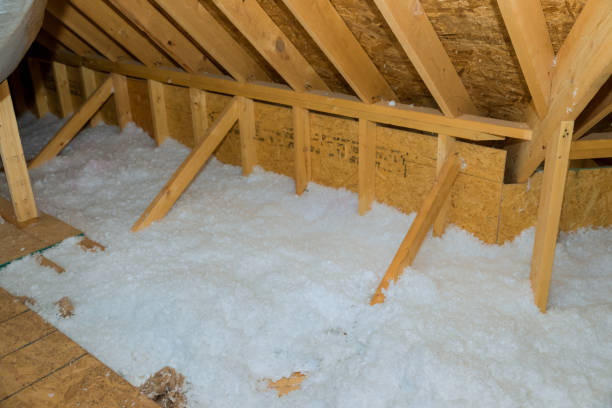
Upgrade attic insulation for energy savings is one of the smartest home improvements available today. A well insulated attic helps reduce heat loss, lowers monthly utility bills, and improves indoor comfort throughout the year. Homeowners often overlook this upgrade, yet it delivers fast returns and long term benefits. Upgrade attic insulation for energy savings while taking advantage of rebates, grants, and incentives designed to lower upfront costs. This guide explains how the process works, what programs are available, and how to avoid common mistakes.
Why Upgrade Attic Insulation for Energy Savings
Upgrade attic insulation for energy savings because heat naturally rises. Without proper insulation, warm air escapes in winter and cool air leaks out in summer. This forces heating and cooling systems to work harder than necessary.
Benefits include
- Lower energy bills year round
- More consistent indoor temperatures
- Reduced strain on HVAC systems
- Improved home resale value
Upgrade attic insulation for energy savings supports environmental goals by reducing overall energy consumption. Many government agencies promote insulation upgrades through rebates, grants, and incentives due to these benefits.
How Attic Insulation Impacts Home Efficiency
Upgrade attic insulation for energy savings by creating a thermal barrier between living spaces and outdoor temperatures. Insulation slows heat transfer, keeping conditioned air inside longer.
Common attic insulation materials include
- Fiberglass batts or loose fill
- Cellulose insulation
- Spray foam insulation
Each option provides different R values, which measure resistance to heat flow. Higher R values mean better insulation performance. Local building codes often recommend minimum R values for attic spaces based on climate zones.
Signs an Attic Insulation Upgrade Is Needed
Upgrade attic insulation for energy savings when warning signs appear. Many homes built before modern energy standards lack sufficient insulation.
Common indicators include
- Uneven room temperatures
- High heating or cooling bills
- Ice dams on roofs during winter
- Drafts or cold ceilings
An energy audit can confirm insulation gaps. Many rebate programs require an inspection before approval.
Available Rebates, Grants, and Incentives
Upgrade attic insulation for energy savings with financial help from federal, state, and local programs. Rebates, grants, and incentives reduce installation costs and shorten the payback period.
Federal Programs
The U.S. Department of Energy supports energy efficiency improvements through tax rebates and incentive programs. More information is available on their website.
The Inflation Reduction Act includes credits for insulation upgrades that meet efficiency standards. Click here(Inflation Reduction Act) for more details.
State and Local Programs
State energy offices and utility companies offer rebates and grants for attic insulation upgrades. Programs vary by location, income level, and home type.
Find local incentives through the Database of State Incentives for Renewables and Efficiency.
Upgrade attic insulation for energy savings by combining multiple incentives when eligible.
How Rebates Work for Attic Insulation
Upgrade attic insulation for energy savings by understanding how rebate programs operate. Most programs follow a similar process.
Steps usually include
- Home energy assessment
- Approval before installation
- Work completed by a qualified contractor
- Paperwork submission
- Rebate issued after verification
Missing paperwork or deadlines can delay payment. Proper documentation matters.
Eligibility Requirements to Know
Upgrade attic insulation for energy savings by meeting program guidelines. Eligibility depends on several factors.
Common requirements include
- Primary residence verification
- Minimum insulation R value
- Approved materials
- Licensed installer
- Proof of purchase
Some grants focus on income qualified households. Incentives from utilities may require participation in energy audit programs.
Choosing the Right Insulation Type
Upgrade attic insulation for energy savings by selecting materials suited to climate and budget.
Fiberglass Insulation
Affordable and widely available. Suitable for many homes when installed correctly.
Cellulose Insulation
Made from recycled paper. Provides good air sealing when dense packed.
Spray Foam Insulation
Offers high R value and air sealing benefits. Higher upfront cost yet strong performance.
Upgrade attic insulation for energy savings by matching insulation type with attic design and ventilation needs.
Installation Best Practices
Upgrade attic insulation for energy savings with proper installation techniques.
Best practices include
- Sealing air leaks before adding insulation
- Maintaining ventilation pathways
- Avoiding compression of insulation
- Installing vapor barriers when required
Poor installation reduces effectiveness and may disqualify rebates or incentives.
Common Mistakes to Avoid
Upgrade attic insulation for energy savings by steering clear of frequent errors.
Mistakes include
- Skipping pre approval for rebates
- Using non approved materials
- Ignoring ventilation requirements
- Incomplete paperwork submission
Rebate applications often reject incomplete files.
Paperwork and Documentation Made Simple
Upgrade attic insulation for energy savings without stress by organizing documents early.
Required documents often include
- Contractor invoice
- Proof of payment
- Product specification sheets
- Energy audit reports
We file paperwork to ensure submissions meet program requirements and deadlines. This saves time and reduces the risk of rejected claims.
Attic Insulation Upgrade Checklist
Before starting the project, use this checklist to stay on track and maximize available benefits.
Before Installation
- Schedule a home energy assessment if required
- Confirm eligibility for rebates, grants, and incentives
- Review insulation R value requirements
- Choose an approved contractor
- Obtain written pre approval if the program requires it
During Installation
- Seal attic air leaks before adding insulation
- Maintain proper ventilation pathways
- Use approved insulation materials
- Document progress with photos if needed
After Installation
- Collect invoices and proof of payment
- Save product labels and specification sheets
- Complete rebate application forms
- Submit paperwork before deadlines
Following this checklist helps protect rebate eligibility and ensures long term performance.
Seasonal Timing and Insulation Upgrades
Timing can affect both installation costs and incentive availability. Many homeowners schedule insulation projects during spring or fall when contractors have better availability. Utility companies sometimes offer limited time rebate increases during peak energy saving seasons.
Cold climates benefit most from attic insulation upgrades before winter, while warmer regions often focus on summer heat reduction. Planning ahead helps secure incentives before annual program funding runs out.
How Insulation Supports Long Term Home Value
Attic insulation improvements do more than reduce monthly bills. Energy efficient homes attract buyers and often sell faster. Appraisers increasingly consider energy upgrades during evaluations. Homes with documented efficiency improvements stand out in competitive markets.
Energy efficiency upgrades also reduce maintenance costs by limiting moisture buildup and temperature related wear. Over time, insulation contributes to a healthier indoor environment and improved building durability.
How Long It Takes to See Savings
Upgrade attic insulation for energy savings and notice improvements quickly. Energy bill reductions often appear within the first month. Full return on investment varies based on insulation type, climate, and incentive amounts.
Typical payback periods range from three to six years. Rebates, grants, and incentives shorten this timeline significantly.
Environmental and Comfort Benefits
Upgrade attic insulation for energy savings while improving daily comfort. Homes stay warmer in winter and cooler in summer with fewer drafts and temperature swings.
Reduced energy use lowers carbon emissions. Government incentives exist because insulation upgrades support national energy efficiency goals.
Frequently Asked Questions About Attic Insulation Rebates
Homeowners often have questions before moving forward. This FAQ section clears up common concerns and helps avoid delays during the rebate process.
How much money can rebates actually save
Savings vary by location, insulation type, and program rules. Utility rebates may cover a portion of material or labor costs, while government incentives can reduce tax liability. In some regions, combined rebates and incentives significantly lower out of pocket expenses. Checking local programs early provides a clearer estimate.
Are rebates available for older homes
Yes. Many rebate and grant programs specifically target older homes because energy loss is usually higher. Homes built before modern energy codes often qualify for higher incentive amounts. A home energy assessment usually confirms eligibility.
Is a professional installer required
Most rebate programs require installation by a licensed or approved contractor. This ensures the insulation meets efficiency standards and safety codes. DIY projects rarely qualify for rebates, grants, or incentives. Professional installation also reduces the risk of heat loss caused by gaps or compression.
Can rebates be combined with tax credits
In many cases, yes. Utility rebates can often be paired with federal or state tax credits. Program rules vary, so checking eligibility details matters. Combining incentives shortens the payback period and increases overall savings.
What happens if paperwork is submitted late
Late submissions are a common reason applications get denied. Most programs have strict deadlines based on installation date. Missing documents or incomplete forms can also delay processing. Organized records help avoid these issues.
Final Thoughts and Call to Action
Upgrade attic insulation for energy savings is a practical investment that delivers comfort, lower bills, and long term value. Rebates, grants, and incentives make this upgrade more affordable than many homeowners expect. Proper planning, correct installation, and accurate paperwork ensure maximum benefits.
We file paperwork and guide homeowners through every step of the rebate process. Start upgrading attic insulation for energy savings today and enjoy a more efficient home tomorrow.